
The Magic of Play: Exploring the World of Games Beyond Entertainment
Introduction: More Than Just Fun
Games have always been a significant part of human culture, transcending borders, languages, and generations. From ancient board games played in Egyptian temples to the latest virtual reality experiences, games have continuously evolved, reflecting human creativity, strategy, and social interaction. While many people see games as mere entertainment, they are, in fact, far more profound. They challenge the mind, foster social connections, and can even teach valuable life skills. In this blog, we will explore the fascinating world of games, their unique characteristics, and why they hold a special place in human society.
The History of Games: From Ancient Times to Modern Days
The story of games begins thousands of years ago. Archeologists have discovered evidence of board games in ancient civilizations such as Mesopotamia, Egypt, and China. These games were not only sources of entertainment but also tools for teaching strategy, mathematics, and even moral lessons. The Royal Game of Ur, an ancient board game from Mesopotamia, shows that humans have been fascinated by competition, chance, and skill for millennia.
As societies evolved, so did the complexity of games. Chess, originating in India, became a game of intellectual mastery, representing strategy and foresight. Meanwhile, card games emerged in China and spread across the globe, adapting to regional cultures and tastes. The evolution of games highlights human ingenuity and the desire to challenge the mind while enjoying leisure time.
Types of Games: A Diverse Universe
Games come in countless forms, each offering a unique experience. Broadly, they can be categorized into board games, video games, outdoor games, and role-playing games.
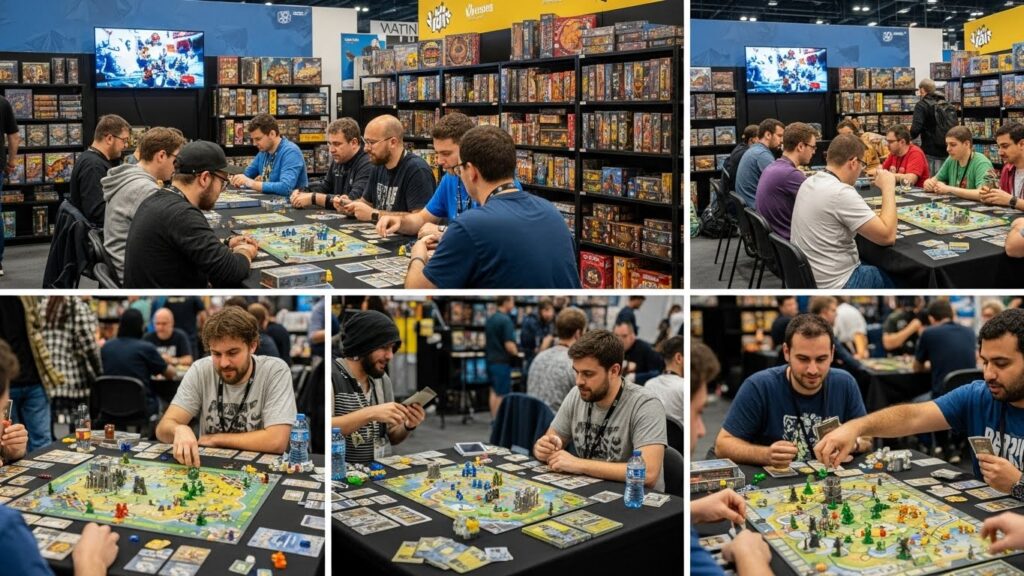
Board games are timeless classics. They require critical thinking, planning, and strategy. Games like Settlers of Catan and Ticket to Ride not only entertain but also encourage negotiation, resource management, and social interaction. Unlike digital games, board games foster face-to-face interaction, making them ideal for family gatherings and social events.
Video games, on the other hand, have revolutionized the way people play. From pixelated classics to immersive virtual reality experiences, video games offer endless possibilities. They can transport players to fantastical worlds, test reflexes, and even provide platforms for storytelling comparable to books or movies. Games like The Legend of Zelda or Minecraft showcase creativity, exploration, and problem-solving in ways that few other mediums can achieve.
Outdoor games, such as soccer, tag, and hide-and-seek, are essential for physical fitness and social bonding. These games often involve teamwork, competition, and strategy, promoting cooperation and healthy lifestyles. They have been a staple in communities for centuries, teaching children how to interact, compete, and build friendships.
Role-playing games (RPGs) allow players to step into the shoes of fictional characters, making choices that affect the story and outcome. These games are a blend of imagination, strategy, and storytelling, encouraging creativity and empathy. Tabletop RPGs like Dungeons and Dragons have gained renewed popularity, proving that even non-digital games can captivate the imagination of millions.
The Psychology of Gaming: Why We Love Games
Understanding why humans are drawn to games requires a look into psychology. Games stimulate the brain by providing challenges, rewards, and a sense of achievement. When a player completes a task or wins a game, the brain releases dopamine, a chemical associated with pleasure and motivation. This explains the addictive nature of games and why players often strive to improve their skills.
Games also provide a safe space for experimentation. Players can take risks, make decisions, and face consequences without real-world repercussions. This aspect of gaming fosters problem-solving skills, resilience, and strategic thinking. For children, games can be educational, teaching numbers, letters, and teamwork. For adults, they can enhance cognitive function, decision-making, and even stress relief.
Moreover, games satisfy the human need for social interaction. Multiplayer games, whether physical or digital, allow people to connect, compete, and cooperate with others. These interactions help build friendships, strengthen bonds, and even provide a sense of community. The social aspect of gaming cannot be understated, as it is a major reason why games continue to thrive globally.
Cultural Impact of Games
Games are more than pastimes; they reflect culture, history, and societal values. Traditional games often carry lessons about morality, fairness, and teamwork. For example, many African and Asian games are designed to teach strategy, patience, and communal living. Modern video games, too, often explore complex narratives that tackle social issues, identity, and ethical dilemmas.
The cultural impact of games extends to art and entertainment. Video games now rival movies and literature in storytelling, character development, and world-building. Game soundtracks, visual art, and narratives have become integral to popular culture, influencing music, fashion, and even cinema. This cultural crossover demonstrates that games are not just leisure activities—they are a form of art that resonates deeply with society.
Games as Learning Tools
Games are powerful educational tools. Educators and psychologists have long recognized the benefits of learning through play. Gamification—the application of game principles to learning and development—has transformed classrooms, training programs, and corporate environments. Games engage learners by making tasks interactive, rewarding, and enjoyable.
Educational games teach mathematics, science, history, and language skills in an immersive way. For example, simulation games allow students to experiment with real-world systems, like running a city or managing resources. These games promote critical thinking, decision-making, and long-term planning. By turning learning into an engaging experience, games help knowledge stick and motivate learners to explore concepts deeply.
The Future of Gaming: Beyond Imagination
The future of gaming is limitless. Emerging technologies such as virtual reality, augmented reality, and artificial intelligence are transforming the gaming landscape. Players can now immerse themselves in hyper-realistic worlds, interact with AI characters, and experience narratives that adapt to their choices. This technological evolution opens the door to unprecedented creativity, learning, and social interaction.
Esports, competitive video gaming, has also become a global phenomenon. Professional gamers compete in front of millions of fans, turning gaming into a legitimate career and spectator sport. This trend highlights the growing recognition of gaming as a serious pursuit, requiring skill, strategy, and dedication.
Moreover, games are increasingly being used in therapy, rehabilitation, and mental health programs. Virtual environments provide safe spaces for patients to practice social skills, manage anxiety, and improve cognitive functions. The potential of games to enhance human life is immense, extending far beyond mere entertainment.
Conclusion: The Enduring Power of Games
Games are a testament to human creativity, curiosity, and the desire for connection. They entertain, educate, and inspire, offering experiences that are both fun and meaningful. From ancient board games to modern virtual worlds, games reflect our society, our values, and our imaginations. They challenge our minds, strengthen social bonds, and even shape culture.
The magic of games lies in their universality. No matter age, culture, or background, games have the power to bring people together, spark creativity, and teach lessons that extend beyond the game board or screen. As technology continues to evolve, the world of games will expand in ways we cannot yet imagine, enriching lives and shaping the future of play.
In the end, games remind us of the simple yet profound joy of playing. They are not just a pastime—they are a mirror of humanity’s creativity, resilience, and love for challenge. Whether it is a child learning teamwork on a playground, a family gathering around a board game, or a gamer exploring virtual realms, games will continue to hold a unique and cherished place in our lives.


