
The Thrilling Evolution of Games: From Classics to Cutting-Edge Virtual Realities
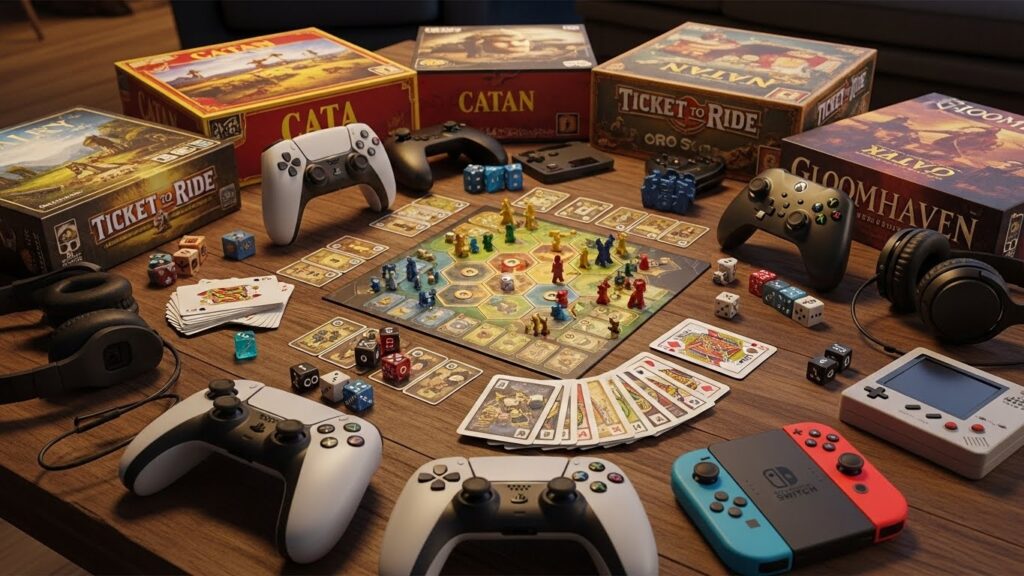
Games have been a part of human culture for centuries, providing a source of entertainment, challenge, and connection. Whether it’s a simple board game shared between friends or a high-tech, multiplayer online game that immerses players in virtual worlds, games have the power to bring people together, stimulate the mind, and offer an escape from the ordinary. The landscape of gaming has evolved dramatically over time, and the world of games today is more diverse, innovative, and immersive than ever before. In this blog post, we’ll take a deep dive into the evolution of games, exploring their history, the impact of technology, and the future of gaming in an increasingly digital world.
The History of Games: From Board Games to Video Games
Games have existed for thousands of years, with evidence of their presence in ancient civilizations. Early games were typically simple, physical contests that required skill, strategy, or luck. Board games, for example, have been a staple of human entertainment for millennia. Games like Senet, which dates back to ancient Egypt, and Backgammon, which originated in Mesopotamia, were not just fun diversions but also reflective of the cultures and societies that created them.
In parallel, the evolution of card games like Poker, Bridge, and Go Fish also took hold in various regions, becoming staples in social gatherings. These games were often seen as intellectual pursuits that required strategy and mental acuity.
The modern era of gaming began in the mid-20th century, with the advent of video games. The first commercially successful arcade game, Pong, was released in 1972, marking the beginning of the video game revolution. The gaming industry soon exploded, and by the 1980s, home gaming consoles like the Atari 2600 and the Nintendo Entertainment System (NES) brought video games into living rooms across the world. This marked the beginning of a new era where video games would become a central form of entertainment for millions of people.
The Rise of Console and PC Gaming
With the launch of iconic consoles like the Super Nintendo and the Sega Genesis, gaming entered a golden age during the 1990s. Games like Super Mario Bros., The Legend of Zelda, and Sonic the Hedgehog became cultural touchstones, capturing the imaginations of players and setting the stage for the blockbuster games of today.
Meanwhile, personal computers were becoming increasingly powerful, and the PC gaming market was thriving. Titles like Doom and Warcraft revolutionized the way games were played by introducing multiplayer functionality and real-time strategy gameplay. PC gaming offered an entirely different experience from console gaming, with superior graphics, a broader selection of games, and a more customizable experience.
The rise of the internet in the late 1990s and early 2000s brought a new dimension to gaming. Online multiplayer games became increasingly popular, allowing players to connect and compete with others from around the world. Games like World of Warcraft and Counter-Strike introduced massive online communities, where players could form teams, build friendships, and engage in competitive play like never before.
The Advent of Mobile Gaming
As technology continued to evolve, mobile gaming emerged as one of the most significant developments in the gaming world. With the widespread adoption of smartphones, games became more accessible to a broader audience. The launch of Apple’s App Store in 2008 provided a platform for developers to release mobile games directly to consumers, and the market exploded.
Early mobile games like Angry Birds and Fruit Ninja were easy to pick up and play, appealing to casual gamers who might not have otherwise engaged with video games. These titles helped define the mobile gaming landscape, offering quick and accessible gameplay that could be enjoyed in short bursts. Mobile games were no longer confined to the realm of puzzle games and simplistic mechanics; developers began to experiment with rich, immersive experiences that included complex storytelling, strategy, and multiplayer modes.
As smartphones became more powerful, so did the graphics and gameplay of mobile games. Titles like Clash of Clans, PUBG Mobile, and Pokémon GO introduced deeper mechanics, large-scale multiplayer experiences, and augmented reality elements, making mobile gaming an ever-expanding part of the industry. Today, mobile gaming accounts for a significant portion of the global gaming market, with millions of players engaging in games on their smartphones every day.
The Explosion of Online Multiplayer Games
While mobile gaming is massive, one of the most transformative developments in the gaming world has been the rise of online multiplayer games. The ability to connect with other players around the world has not only changed how games are played but also how they are experienced. No longer confined to solo play, gamers now have the option to team up, compete, and communicate with players from all walks of life.
Battle Royale games like Fortnite and Apex Legends have brought a new level of intensity to online multiplayer gaming. These games drop players into an ever-shrinking arena, where they must fight for survival and be the last player or team standing. The thrill of fast-paced action, combined with the strategic element of scavenging for weapons and resources, has made these games some of the most popular titles of the last decade.
Another major development in online multiplayer games is the rise of eSports. Competitive gaming has become a multi-billion-dollar industry, with professional tournaments for games like League of Legends, Dota 2, and Overwatch drawing huge audiences both in person and online. eSports organizations, sponsors, and broadcasting platforms like Twitch have helped to elevate gaming to the level of traditional sports in terms of viewership and recognition.
For many, playing online is no longer just about having fun; it’s about competing at a professional level and potentially making a career out of it. The rise of streaming and content creation has also created new avenues for gamers to showcase their skills, build personal brands, and connect with fans.
Virtual Reality and Augmented Reality: A New Frontier
While online multiplayer games and mobile gaming are transforming the landscape, virtual reality (VR) and augmented reality (AR) represent the next frontier in gaming. These technologies promise to immerse players in completely new ways, offering experiences that were once confined to the realm of science fiction.
Virtual reality allows players to step into entirely digital worlds, where they can interact with their surroundings in a fully immersive environment. VR headsets like the Oculus Rift, HTC Vive, and PlayStation VR have brought VR gaming to mainstream audiences, with titles like Half-Life: Alyx, Beat Saber, and The Walking Dead: Saints & Sinners offering unique, interactive experiences. These games require players to use physical movements to control their actions, making for an experience that feels more like “living” within the game than simply playing it.
Augmented reality, on the other hand, blends the real world with digital elements. Games like Pokémon GO use AR to superimpose virtual characters and objects over the real-world environment through a smartphone screen, encouraging players to explore their surroundings while engaging with the game. This blend of physical and digital realities opens up new possibilities for interactive gameplay, educational experiences, and social interaction.
As both VR and AR technologies continue to evolve, it’s likely that the way we engage with games will become even more immersive. From VR sports games to AR treasure hunts, these technologies hold immense potential for creating entirely new types of gaming experiences.
The Future of Gaming: AI, Cloud Gaming, and Beyond
Looking ahead, the future of gaming appears brighter than ever. Technology continues to advance at a rapid pace, and the possibilities for what games can achieve seem limitless. One major trend that’s already starting to shape the future of gaming is cloud gaming. Services like Google Stadia, Xbox Cloud Gaming, and NVIDIA GeForce Now are allowing players to stream games directly from the cloud, eliminating the need for powerful gaming consoles or PCs. This democratizes access to high-quality games, as players can now enjoy cutting-edge titles on virtually any device with a stable internet connection.
Artificial intelligence (AI) is also set to play a key role in the future of gaming. AI can enhance game design by creating more realistic and dynamic environments, as well as more sophisticated non-playable characters (NPCs) that react to the player’s actions in real-time. AI-driven content generation could also allow games to evolve over time, creating new challenges and stories tailored to individual players.
Moreover, interactive storytelling will continue to grow as a genre. Games that blur the lines between film and gaming, where players make decisions that directly influence the narrative, will become even more common. This level of immersion can turn a game into a personal, unique experience every time it’s played.
Conclusion: Gaming as a Global Culture
The world of games has come a long way from the simple board games of ancient civilizations to the vast, interactive, and immersive experiences of today. Whether through console gaming, mobile games, online multiplayer, VR experiences, or the rise of eSports, gaming has become more than just a pastime—it’s a culture, a community, and a multi-billion-dollar industry.
As technology continues to advance, the possibilities for gaming will only expand. The future of gaming promises even greater immersion, personalized experiences, and innovative forms of entertainment. No matter where you are or what your interests are, there’s a game for you. From competitive eSports to relaxing mobile puzzles, the world of games offers something for everyone.


