
Play to Inspire: How Games Shape Creativity and Connection
Introduction
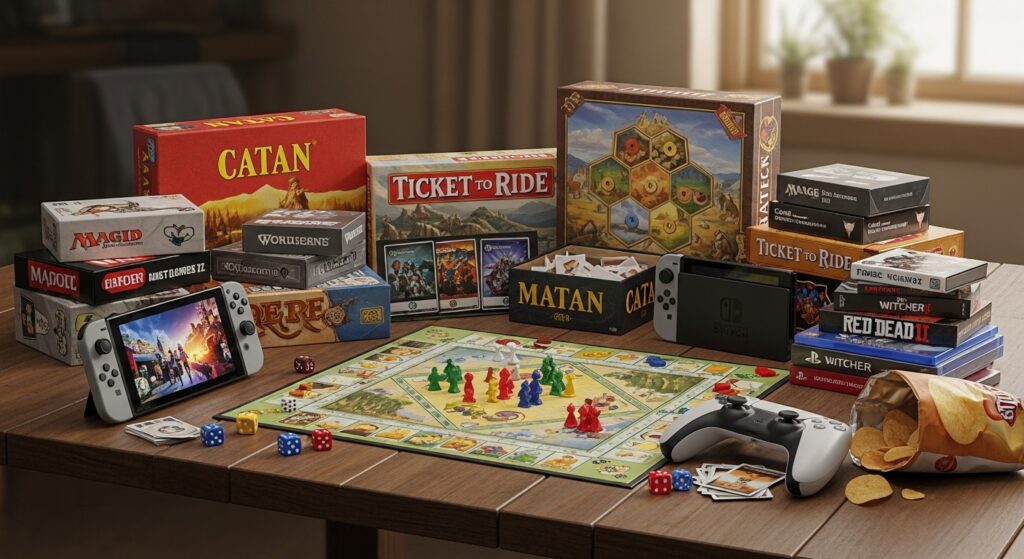
Games are more than just a source of entertainment; they are a powerful tool for learning, creativity, and social interaction. From traditional board games to modern digital adventures, games allow people of all ages to challenge themselves, develop skills, and connect with others. They provide a unique space where imagination meets strategy, making every moment of play meaningful.
The History and Evolution of Games
Games have been part of human culture for thousands of years. Ancient societies played simple games with stones, sticks, or cards to entertain, teach, and bond communities. Over time, games evolved into structured activities like chess, checkers, and card games. The digital revolution brought video games, mobile apps, and online multiplayer experiences, transforming gaming into a global phenomenon that reaches millions of people worldwide.
Learning Through Play
One of the most important aspects of games is their ability to teach. Puzzle and strategy games sharpen critical thinking and problem-solving skills. Memory and word games improve focus and mental agility. Even fast-paced action games enhance coordination and decision-making under pressure. Educational games are increasingly used in classrooms to make learning interactive and fun, demonstrating that play can be a valuable method for growth and development.
Games as a Social Experience
Games bring people together in ways few other activities can. Board games encourage family bonding, while multiplayer digital games allow players from across the globe to collaborate and compete. These shared experiences foster teamwork, communication, and friendship. Gaming communities create a sense of belonging, where players can share strategies, celebrate victories, and learn from each other.
Creativity and Imagination in Games
Many games give players the freedom to create their own worlds, stories, and challenges. Sandbox games and simulation titles allow for limitless creativity, giving players the power to design landscapes, build structures, and invent characters. This creative freedom not only entertains but also inspires innovation, problem-solving, and artistic expression. Gaming becomes a platform for imagination to flourish.
Emotional and Cognitive Benefits
Games engage both the mind and emotions. Story-driven games allow players to explore complex narratives and develop empathy by stepping into the shoes of different characters. Competitive and cooperative games teach resilience, patience, and strategic thinking. Playing games can reduce stress, improve mood, and provide a safe space to explore challenges and successes, offering mental and emotional benefits that extend beyond gameplay.
The Role of Technology in Modern Gaming
Technology has transformed games into immersive experiences. Advanced graphics, realistic physics, and artificial intelligence create interactive worlds that feel alive. Virtual reality and augmented reality provide new ways to experience gameplay, while mobile devices make games accessible to anyone, anywhere. Technology continues to push the boundaries of what games can achieve, creating more engaging and inclusive experiences.
The Future of Games
The future of games is full of exciting possibilities. As technology evolves, games will become more interactive, immersive, and inclusive. Virtual reality, cloud gaming, and artificial intelligence will reshape how players experience stories, strategy, and social interaction. Games will continue to inspire creativity, challenge minds, and connect communities, becoming an even more integral part of modern culture.
Conclusion
Games are a reflection of human creativity, intelligence, and social connection. They teach, inspire, and entertain, offering benefits that reach far beyond the screen or board. Whether enjoyed solo or with others, games provide opportunities for learning, bonding, and self-expression. As the world of gaming continues to grow, it reminds us that play is essential—not just for fun, but for growth, connection, and imagination.


