
The World of Games: More Than Just Entertainment
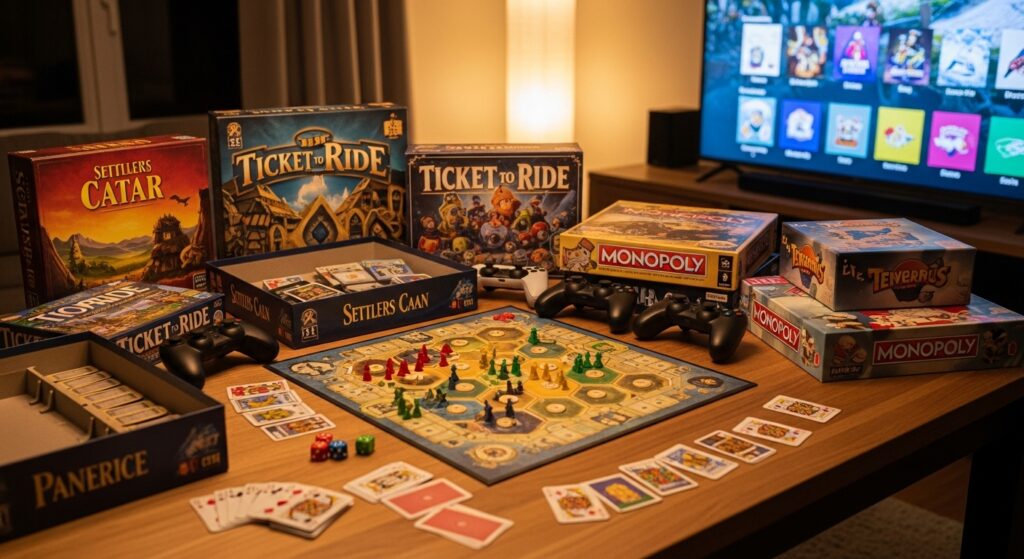
Games have been an integral part of human culture for centuries, evolving from simple board games to complex digital experiences. They serve not only as a source of entertainment but also as a medium for learning, social interaction, and personal growth. This blog explores the different aspects of games and why they continue to captivate people of all ages.
The Evolution of Games
Games have come a long way from traditional pastimes like chess, cards, and outdoor sports. The digital revolution has transformed gaming into a global phenomenon, giving rise to video games, mobile gaming, and virtual reality experiences. Modern games offer immersive storytelling, realistic graphics, and interactive gameplay that were unimaginable a few decades ago. This evolution has expanded gaming from a hobby into a cultural and social experience.
Types of Games
Games can be categorized in multiple ways, each offering unique experiences:
- Board Games: Classics like chess, Monopoly, and Scrabble stimulate strategy and critical thinking.
- Card Games: From poker to collectible card games, these promote skill, strategy, and sometimes luck.
- Video Games: Available on consoles, PCs, and mobile devices, these include genres such as adventure, role-playing, strategy, and simulation.
- Sports Games: Physical games like soccer, basketball, and tennis encourage teamwork, fitness, and competition.
- Educational Games: Designed for learning, they combine fun with skill-building in areas like mathematics, language, and logic.
The Social Impact of Games
Games are not just about individual enjoyment; they play a significant social role. Multiplayer games and online platforms allow players to connect with friends and strangers, fostering collaboration and competition. Community-driven events, esports tournaments, and local game nights bring people together and help build lasting friendships. Games can bridge cultural gaps and provide a shared space for interaction.
Cognitive and Emotional Benefits
Playing games has numerous cognitive and emotional benefits. Strategy and puzzle games improve problem-solving skills and enhance memory. Action and reflex-based games can boost hand-eye coordination and focus. Games also provide stress relief and a safe environment to experience challenges, failures, and successes, helping players develop resilience and emotional intelligence.
The Future of Gaming
The future of gaming is poised to be more immersive and interactive than ever before. Technologies like virtual reality, augmented reality, and artificial intelligence are redefining gameplay. Cloud gaming is removing hardware barriers, making games accessible to a wider audience. Additionally, storytelling in games is becoming increasingly sophisticated, creating experiences that rival movies and literature in depth and engagement.
Conclusion
Games are much more than a pastime; they are a reflection of human creativity, culture, and technology. They entertain, educate, and connect people in ways few other mediums can. As the gaming landscape continues to evolve, its impact on our daily lives, social interactions, and cognitive development will only grow stronger. Embracing games means embracing a world of endless possibilities and experiences.


