
The World at Play: How Games Influence Entertainment, Learning, and Human Connection
Introduction: Games as a Part of Human Nature
Games have always been a natural part of human life. From childhood play to complex strategy challenges, games exist in every culture and generation. They are more than simple pastimes. Games stimulate the mind, strengthen social bonds, and provide an outlet for creativity and competition. In the modern era, games have expanded far beyond traditional formats, becoming powerful tools for storytelling, learning, and emotional expression. This blog explores the evolving world of games, their types, their impact on individuals and society, and why they continue to captivate people of all ages.
The Historical Roots of Games
The history of games dates back thousands of years. Ancient civilizations created games using stones, boards, cards, and physical challenges to entertain and educate. These early games were often tied to cultural traditions, religious beliefs, or social rituals. Board games such as chess and checkers were designed to teach strategic thinking and patience, while physical games developed strength, coordination, and teamwork.
As societies evolved, games became more structured and widespread. The invention of printed materials led to the popularity of card games and puzzles, making games accessible to larger audiences. These early forms laid the foundation for modern gaming by emphasizing rules, objectives, and player interaction.
The Digital Revolution in Gaming
The introduction of digital technology transformed games forever. The rise of video games in the late twentieth century introduced interactive entertainment that combined visuals, sound, and player control. Early arcade games were simple yet addictive, drawing players with their challenge and novelty.
Home gaming systems soon followed, allowing people to enjoy games in their living rooms. Over time, improvements in technology brought better graphics, deeper gameplay, and more complex narratives. Today, digital games offer open worlds, realistic simulations, and online multiplayer experiences that connect players across the globe.
Different Types of Games in the Modern World
Games exist in many forms, each offering unique experiences and benefits.
Traditional Board and Card Games
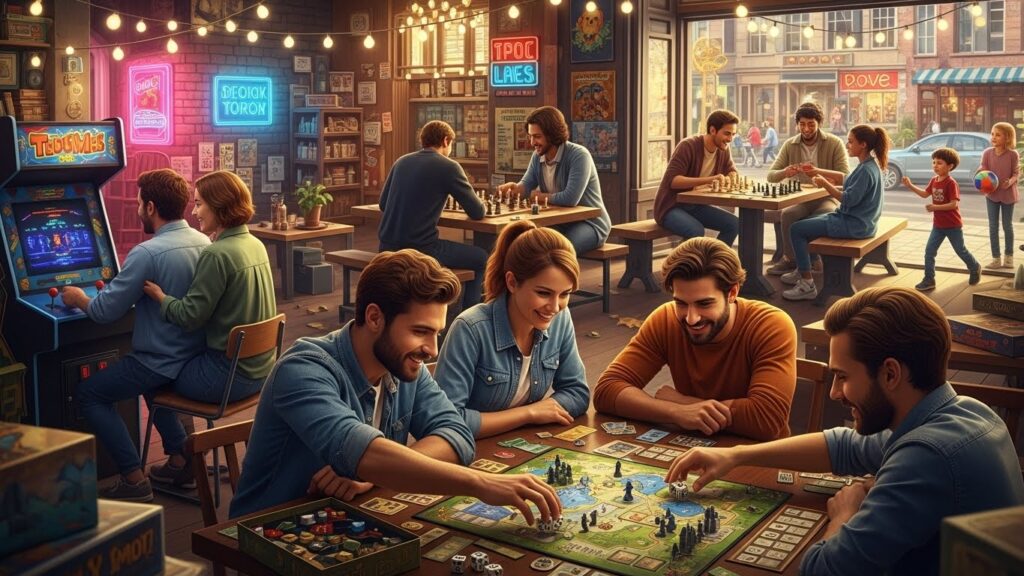
Board and card games remain popular due to their simplicity and social nature. These games encourage face-to-face interaction, communication, and friendly competition. They are often used during family gatherings and social events, reinforcing relationships while stimulating logical thinking and strategy.
Console and Computer Games
Console and computer games dominate modern entertainment. They offer diverse genres such as action, adventure, sports, simulation, and role-playing. These games often feature immersive worlds, compelling characters, and skill-based challenges. Players can enjoy solo adventures or connect with others in cooperative and competitive modes.
Mobile Games
Mobile gaming has made games accessible to nearly everyone. With smartphones in hand, players can enjoy games anytime and anywhere. Mobile games range from simple puzzles to complex strategy titles, making them ideal for both casual and dedicated players. Their convenience has significantly expanded the global gaming audience.
Virtual and Augmented Reality Games
Virtual and augmented reality games represent the future of immersive play. Virtual reality places players inside fully digital environments, while augmented reality blends digital elements with the real world. These games create highly engaging experiences that feel personal and interactive, pushing the boundaries of traditional gaming.
The Social Power of Games
Games are powerful social tools. Multiplayer games allow people to connect regardless of distance, forming friendships and communities based on shared interests. Team-based games encourage cooperation, communication, and trust, helping players develop social and leadership skills.
Online gaming communities provide spaces for discussion, collaboration, and creativity. Players share strategies, create content, and support one another, turning games into platforms for social interaction. Competitive gaming events also bring people together, fostering excitement and shared experiences among players and spectators alike.
Games and Mental Development
Games contribute significantly to cognitive development. Many games require problem-solving, strategic planning, and quick decision-making. Puzzle games enhance logical thinking and creativity, while action games improve reflexes and hand-eye coordination.
Simulation and strategy games teach resource management, adaptability, and long-term planning. These skills are transferable to real-life situations, making games valuable tools for mental growth. Even casual games can help improve focus, memory, and pattern recognition.
Educational Value of Games
Games are increasingly used as educational tools. Learning through games makes education engaging and interactive. Educational games can teach mathematics, science, language, and history in ways that feel enjoyable rather than stressful.
By turning lessons into challenges and rewards, games motivate learners to explore and practice new skills. This approach is especially effective for younger audiences, but it also benefits adults seeking continuous learning and skill development.
Storytelling and Creativity in Games
Modern games are powerful storytelling mediums. Unlike books or films, games allow players to actively participate in the story. Choices made during gameplay can influence characters, events, and outcomes, creating personalized narratives.
This interactive storytelling fosters emotional investment and empathy. Players experience consequences firsthand, deepening their connection to the game world. Creativity also plays a major role, as many games allow players to design characters, build environments, or create their own stories within the game framework.
Games as a Career and Industry
The gaming industry has grown into a major global economy. It offers career opportunities in game design, programming, art, writing, testing, and marketing. Competitive gaming has also emerged as a professional field, with skilled players earning recognition and income through tournaments and sponsorships.
Content creation related to games has become another career path. Players share gameplay experiences, tutorials, and commentary, building audiences and communities around their passion. These opportunities show that games are no longer just hobbies but viable professional pursuits.
Health and Emotional Benefits of Games
Games can have positive effects on emotional well-being when played in moderation. They provide stress relief, relaxation, and a sense of accomplishment. Games offer safe spaces to explore emotions, face challenges, and experience success.
Cooperative games can reduce feelings of loneliness by connecting players with others. Creative games encourage self-expression, while narrative-driven games can offer comfort and inspiration during difficult times.
Challenges and Concerns in Gaming
Despite their benefits, games also present challenges. Excessive gaming can lead to physical inactivity, sleep issues, and reduced social interaction. Maintaining balance is essential to ensure healthy gaming habits.
Online environments sometimes face issues such as toxic behavior and harassment. Developers and communities are working to promote respectful interaction and safer gaming spaces. Another concern is representation, as players increasingly expect diverse characters and inclusive stories that reflect real-world experiences.
The Future of Games
The future of games is filled with innovation. Advances in technology will lead to more immersive, intelligent, and personalized experiences. Artificial intelligence will create dynamic gameplay that adapts to player behavior, while improved graphics and processing power will enhance realism.
Games will continue expanding beyond entertainment into education, healthcare, and professional training. Gamification will play a larger role in motivating learning, productivity, and personal development. As boundaries blur between digital and physical worlds, games will become even more integrated into daily life.
Conclusion: Games as a Reflection of Human Creativity
Games are more than activities for leisure. They reflect human imagination, curiosity, and the desire for connection. From ancient board games to advanced virtual experiences, games have evolved alongside society, adapting to cultural and technological changes.
They entertain, educate, challenge, and unite people across generations and backgrounds. When approached with balance and awareness, games enrich lives and open doors to creativity, learning, and meaningful interaction. As the world continues to change, games will remain a powerful and enduring part of human expression, inviting everyone to play, explore, and connect.


