
The New Age of Gaming: Exploring Innovation and Culture in Interactive Entertainment
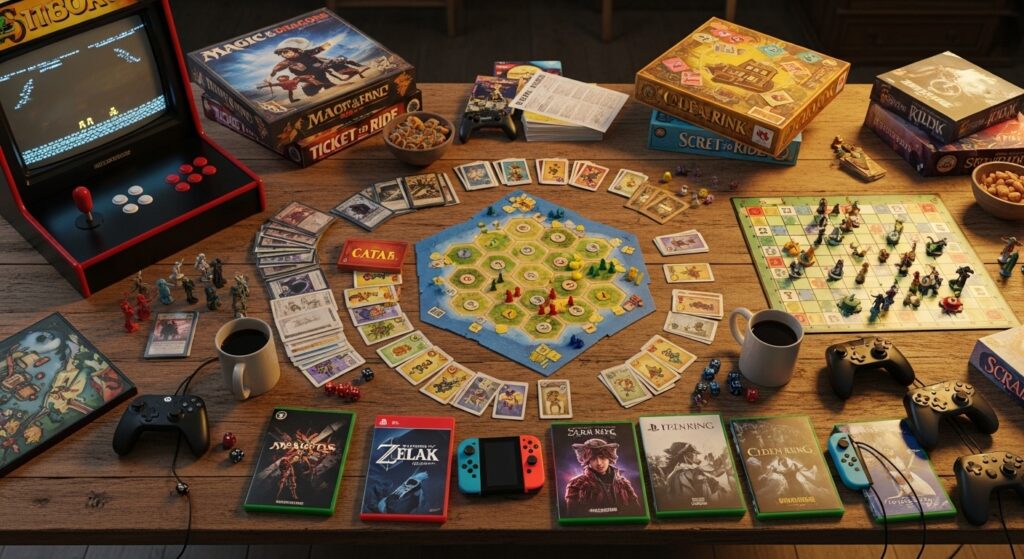
In the past few decades, the world of video games has transformed from a niche hobby into a dominant force in the entertainment industry. Video games are no longer just about high scores and button-mashing; they’ve evolved into immersive experiences that tell stories, build communities, and even shape our culture. Today, gaming is a cultural phenomenon enjoyed by people of all ages, backgrounds, and interests. In this blog post, we’ll explore how gaming has evolved, its cultural impact, and what makes this medium so special.
The Evolution of Video Games: From Simple Pixels to Complex Worlds
Gaming began in the 1970s as a simple form of entertainment, with arcade classics like Pong and Space Invaders leading the charge. These early games were incredibly basic by today’s standards, but they captured the imagination of players and set the stage for what was to come. By the 1980s, home consoles like the Atari 2600 and the Nintendo Entertainment System (NES) brought gaming into people’s homes, revolutionizing the industry and making gaming accessible to millions.
As technology improved, so did the complexity of games. The shift from 2D to 3D graphics in the mid-1990s marked a turning point. The PlayStation and Nintendo 64 consoles introduced players to expansive 3D worlds, elevating gaming from a simple activity to a fully immersive experience. Games like Super Mario 64 and The Legend of Zelda: Ocarina of Time broke new ground by introducing players to vast, detailed worlds filled with rich storytelling and intricate gameplay.
The Social Side of Gaming: Building Communities and Friendships
One of the most remarkable aspects of modern gaming is the way it has brought people together. In the past, gaming was often a solitary activity, with players sitting alone in front of their consoles or computers. However, the rise of online multiplayer games in the early 2000s changed everything. Titles like Halo 2, World of Warcraft, and Call of Duty allowed players to connect with others around the world, transforming gaming into a shared experience.
The social aspect of gaming has grown exponentially. Online multiplayer games have become a space where players not only compete but also form friendships, join guilds, and participate in global communities. The rise of live streaming platforms like Twitch has further amplified the social aspect of gaming, allowing players to share their gameplay with others in real time. Viewers can interact with streamers, participate in live chats, and feel like they’re part of the action, creating a sense of camaraderie among gamers.
The Rise of Mobile Gaming: Accessible Entertainment for All
With the advent of smartphones, mobile gaming has become one of the most popular forms of gaming worldwide. Mobile games offer a level of accessibility that traditional console or PC games simply can’t match. You don’t need a high-end gaming PC or expensive console to play; all you need is a smartphone or tablet. This has made gaming more accessible than ever, allowing anyone with a mobile device to dive into a variety of games.
Mobile gaming has also changed the way we think about gaming time. Games like Candy Crush Saga, Clash of Clans, and Pokémon GO are designed for quick, bite-sized sessions, making it easy to pick up and play during a commute, lunch break, or any free moment. While these games may not offer the same depth as console games, their accessibility has made them immensely popular, attracting a broad demographic of players who might not have otherwise engaged with gaming.
The Power of Storytelling in Games: More Than Just a Game
One of the most fascinating developments in the gaming world has been the rise of narrative-driven experiences. As technology has advanced, so too have the stories told in video games. Games like The Last of Us, Red Dead Redemption 2, and BioShock Infinite have shown that video games can be a medium for rich, emotional storytelling.
These games blend intricate narratives with engaging gameplay to create experiences that are deeply immersive. Players are not just passive observers of a story; they are active participants, making choices that impact the outcome of the game. This unique combination of gameplay and storytelling has allowed video games to tackle complex themes such as love, loss, morality, and identity in ways that resonate deeply with players.
Esports: The Professionalization of Gaming
While gaming has always been competitive, the rise of esports has taken competition to a whole new level. Esports refers to organized, multiplayer video game competitions, particularly between professional players, individually or as teams. Games like League of Legends, Dota 2, and Counter-Strike: Global Offensive have established themselves as the pillars of competitive gaming, attracting millions of viewers worldwide.
Esports has grown into a multi-million-dollar industry, with players earning substantial prize money, sponsorships, and endorsements. Major esports tournaments, such as The International and League of Legends World Championship, draw huge crowds and offer massive cash prizes. The rise of esports has also opened the door to new career opportunities, with professional players, coaches, analysts, and streamers all building careers around their love for gaming. The future of esports looks bright, with more recognition from traditional sports organizations and growing investment from brands across the globe.
The Future of Gaming: Beyond What We Can Imagine
As technology continues to advance, the future of gaming looks even more exciting. Innovations like virtual reality (VR) and augmented reality (AR) are poised to redefine what gaming can be. With VR headsets like the Oculus Rift and PlayStation VR, players can immerse themselves in fully interactive 3D worlds, experiencing games in ways that were once only imagined in science fiction.
Cloud gaming is another area that holds great promise. Cloud gaming allows players to stream games directly from the internet, without the need for powerful hardware. This could make high-quality gaming accessible to anyone with a stable internet connection, regardless of the device they’re using. The potential for cloud gaming to democratize access to games is immense, and as technology improves, it’s likely that this will become the standard for gaming in the future.
Moreover, as gaming continues to become more mainstream, we’ll likely see more integration of gaming into everyday life. The blending of gaming with social media, fitness, and education could lead to new, innovative forms of entertainment that combine fun and practicality in exciting ways.
Conclusion: The Enduring Appeal of Gaming
From the early days of arcade machines to the high-tech worlds of virtual reality, gaming has evolved into a dynamic and diverse form of entertainment that appeals to a broad audience. Whether you’re exploring vast open worlds, competing in esports tournaments, or playing a casual mobile game, the world of gaming offers something for everyone.
Gaming has become more than just a pastime; it’s a cultural phenomenon that connects people, tells powerful stories, and constantly pushes the boundaries of technology and creativity. As we look to the future, there’s no doubt that gaming will continue to evolve, offering new experiences and opportunities for players around the world. The magic of gaming lies not just in the games themselves but in the way they bring people together and allow us to experience new realities—together.


