
The Evolution of Gaming: From Pixels to Realistic Universes
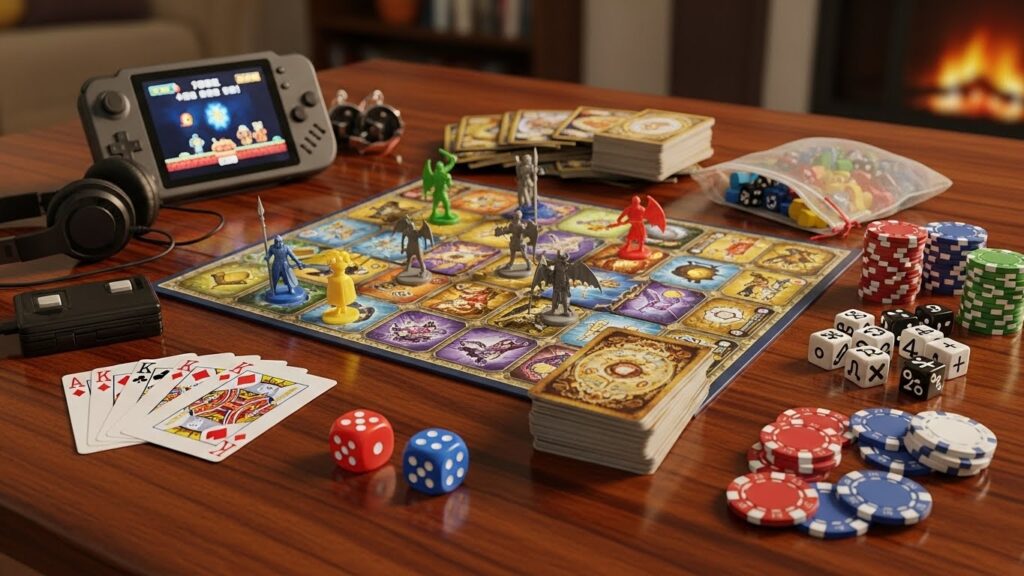
Games have been a part of human culture for thousands of years, but the way we interact with them has changed dramatically. Whether it’s a simple board game, a traditional sport, or the complex video games we play today, gaming has always had a special place in entertainment. The rise of technology has taken gaming to new heights, creating experiences that were once unimaginable. From arcade classics to cutting-edge virtual worlds, video games have become one of the most important and profitable industries globally.
In this blog post, we will explore how gaming has evolved over the decades, how technology has shaped the gaming experience, and what the future of gaming might look like.
The Humble Beginnings: Arcade Games and the Dawn of Video Gaming
The first days of video games were simple, yet captivating. In the late 1960s and early 1970s, the gaming industry was born with the introduction of arcade games. These were games you could find in amusement parks or gaming arcades, and they often consisted of basic graphics and gameplay mechanics.
One of the most famous early examples was Pong, a simple game where two players control paddles to bounce a ball back and forth. While the graphics were primitive by today’s standards, the gameplay was revolutionary and set the stage for the future of interactive entertainment.
Other arcade games like Space Invaders, Pac-Man, and Donkey Kong quickly became cultural phenomena. These games were often simple yet challenging, requiring players to improve their skills to achieve higher scores. The social aspect of arcade gaming—competing with friends, trying to get the highest score—was a large part of its appeal.
The Rise of Home Consoles: Gaming in Your Living Room
In the late 1970s and early 1980s, the rise of home consoles brought video games into the living room. Previously, games were only accessible in public spaces like arcades, but with systems like the Atari 2600, the Nintendo Entertainment System (NES), and the Sega Genesis, gaming was now something people could enjoy at home.
This was a revolutionary shift. Consoles offered a wider variety of games, from action-packed adventures to sports simulations. One of the key reasons for the growth of home gaming was the accessibility of these systems. Rather than needing to go to an arcade, players could now simply plug in their console and enjoy their favorite games on their own time.
The 1980s also saw the birth of some of the most iconic game franchises that are still popular today, including Super Mario, The Legend of Zelda, and Metroid. These franchises became not only sources of entertainment but cultural touchstones, with Mario evolving into an icon for the gaming industry.
The 3D Revolution: A New Era of Graphics and Gameplay
The 1990s marked a major turning point in the gaming industry. With the advent of 3D graphics, games became more visually immersive and realistic than ever before. Previously, games were restricted to 2D environments, but with the power of new hardware and more advanced software, developers could now create fully three-dimensional worlds.
One of the most significant milestones in this era was the release of the Sony PlayStation in 1994, which introduced 3D graphics to the masses. The PlayStation, along with systems like the Nintendo 64, gave players the ability to explore complex 3D environments in games like Super Mario 64, The Legend of Zelda: Ocarina of Time, and Gran Turismo. These games set new standards for graphics, design, and gameplay.
In addition to 3D graphics, the 1990s also brought more sophisticated storytelling to video games. Titles like Final Fantasy VII, Metal Gear Solid, and Chrono Trigger featured engaging narratives that rivaled those of films and novels. For the first time, video games began to be seen not just as a form of entertainment, but as a legitimate art form capable of delivering complex and emotionally engaging stories.
The Online Boom: Gaming in the Digital Age
As the internet became more widespread in the late 1990s and early 2000s, gaming entered a new phase with online multiplayer experiences. Games that allowed people to connect with others across the globe were now possible. This was a huge game-changer for the industry, as it added a layer of social interaction to gaming that had never existed before.
One of the key games that ushered in the era of online gaming was EverQuest, an early massively multiplayer online role-playing game (MMORPG). EverQuest allowed players to explore vast virtual worlds, complete quests, and interact with other players in real-time. The success of EverQuest helped pave the way for other MMORPGs like World of Warcraft, which became a global phenomenon, attracting millions of players worldwide.
Online gaming wasn’t limited to just RPGs. The rise of consoles like the Xbox introduced online multiplayer to first-person shooters with titles like Halo 2, which allowed players to battle it out with others over the internet. This marked the beginning of competitive online gaming, a trend that would only grow in the years to come.
In addition to online gaming, digital distribution became increasingly popular in the 2000s. Platforms like Steam allowed players to purchase and download games directly to their computers, eliminating the need for physical copies. This led to a boom in indie games, as small developers could now reach a global audience without needing a large publisher.
The Mobile Revolution: Gaming Anywhere, Anytime
In the late 2000s and early 2010s, smartphones changed the gaming landscape once again. With the rise of devices like the iPhone, gaming was no longer confined to home consoles or PCs. Mobile gaming became a massive industry, with millions of people playing games on their phones during their daily commutes, on lunch breaks, or even while waiting for a bus.
Games like Angry Birds, Candy Crush Saga, and Clash of Clans dominated the mobile gaming scene, offering quick and addictive gameplay that could be enjoyed in short bursts. Mobile games are typically more accessible and less expensive than console or PC games, which made them appealing to a broad audience, from casual gamers to hardcore enthusiasts.
The accessibility of mobile gaming also opened up opportunities for new types of games. Augmented reality (AR) games like Pokémon Go became a global sensation, blending real-world exploration with virtual gameplay. Players could catch Pokémon in their own neighborhoods, turning the entire world into a playground for gaming.
Mobile gaming also saw the rise of social features, with many games incorporating leaderboards, multiplayer elements, and in-app purchases. This has led to a new generation of “freemium” games, where the base game is free to play, but players can purchase virtual goods to enhance their experience.
Virtual Reality and Beyond: The Future of Gaming
As we move into the 2020s, gaming is evolving once again with the rise of virtual reality (VR) and augmented reality (AR). These technologies offer a level of immersion previously thought to be impossible.
Virtual reality systems like the Oculus Rift, PlayStation VR, and HTC Vive allow players to step into fully realized 3D worlds, where they can move around and interact with the environment as if they were physically there. VR has opened up new possibilities for both gaming and entertainment, offering experiences like virtual tourism, VR concerts, and even VR social spaces.
In the realm of gaming, VR has provided entirely new types of gameplay. Games like Beat Saber and Half-Life: Alyx allow players to physically engage with the game world, swinging lightsabers or solving puzzles in 3D environments. These experiences are deeply immersive, offering a level of engagement far beyond traditional video games.
Meanwhile, augmented reality is continuing to grow as well. AR gaming, such as Pokémon Go or the recent Harry Potter: Wizards Unite, blends the real world with virtual elements, creating games that encourage players to interact with their environment. This has led to new forms of social gaming, where groups of people can come together in the real world to play and explore.
Gaming as a Social Experience: Streamers and eSports
One of the most significant trends in recent years has been the growth of gaming as a social experience. Live-streaming platforms like Twitch have turned gaming into a spectator sport, with millions of viewers tuning in to watch professional players, streamers, and esports competitions. What was once a solitary hobby has now become a global community event.
The rise of esports has further solidified gaming’s place in the mainstream. Esports tournaments attract massive audiences, both in person and online, with games like League of Legends, Dota 2, and Counter-Strike: Global Offensive boasting millions of fans and high-stakes competitions with multi-million-dollar prize pools.
Streaming services like YouTube and Twitch allow gamers to broadcast their gameplay live, creating new avenues for entertainment and engagement. Streamers interact with their viewers, creating a dynamic and personal connection with their audience. In some cases, streamers have become celebrities in their own right, attracting huge followings and sponsorships.
The Future of Gaming: What’s Next?
The future of gaming is incredibly exciting, with new technologies and trends continuing to emerge. The rise of cloud gaming, for example, could make it possible to play high-end video games on any device, without the need for powerful hardware. Services like Google Stadia and Xbox Cloud Gaming are already working toward this future, allowing gamers to stream games directly from the cloud.
Artificial intelligence (AI) will also play a significant role in shaping the future of gaming. AI can enhance non-player character (NPC) behavior, creating more dynamic and lifelike in-game interactions. It can also help developers create procedurally generated worlds, offering limitless possibilities for exploration and adventure.


