
The Evolution of Games: From Ancient Play to Digital Dominance
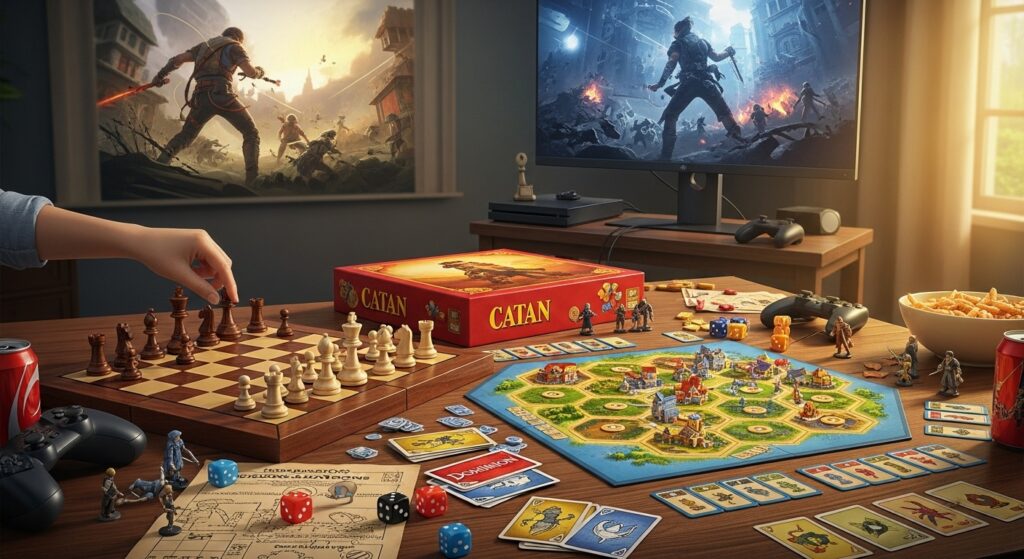
Games have always been part of the fabric of human society. From the earliest days of human civilization, people have found creative ways to entertain themselves, whether through physical activities, board games, or, more recently, digital and virtual environments. Over time, games have evolved from simple forms of entertainment into multifaceted platforms for storytelling, skill development, and even competitive sport. In this blog post, we’ll explore the journey of games—tracing their origins, evolution, impact, and the future of gaming.
The Beginning of Games: Ancient Play
The concept of games dates back to ancient times when early civilizations engaged in recreational activities that combined competition, strategy, and chance. One of the earliest recorded board games, Senet, was played in Egypt over 5,000 years ago. While the exact rules of Senet are unknown, it is believed that the game was not only a pastime but also had spiritual significance, symbolizing the journey of the soul.
In ancient China, the game of Go emerged as a strategic game involving territorial control and tactics, a game still played globally today. Similarly, in ancient Greece, the Olympics represented a formalized approach to competitive play, combining physical skill with the pursuit of glory. Games during these times often blended cultural practices with leisure activities, fostering both personal skill development and social interaction.
The Rise of Board Games
As human civilization advanced, so did the complexity and variety of games. Board games became a popular form of entertainment across cultures, with games like chess, backgammon, and checkers making significant appearances in different societies. These games emphasized strategic thinking, planning, and mental acuity, shaping the intellectual landscape of their time.
Chess, for example, originated in India in the 6th century and eventually spread to Persia and Europe. The game reflected the military strategies of the time, with different pieces symbolizing various roles on the battlefield. Chess remains one of the most beloved board games in the world, continuously evolving through tournaments and digital adaptations.
The Digital Revolution: Birth of Video Games
In the 20th century, games underwent a monumental transformation. With the advent of computers and, later, gaming consoles, video games revolutionized the concept of play. The early days of digital gaming were marked by simple yet addictive arcade games such as Pong, Space Invaders, and Pac-Man. These games were easy to play but hard to master, attracting players to compete for high scores and bragging rights.
As personal computers became more widely available, video games began to evolve into more complex forms. The first home consoles, like the Atari 2600 and Nintendo Entertainment System (NES), introduced a new wave of entertainment, bringing games like Super Mario Bros., The Legend of Zelda, and Tetris into people’s homes. These titles pushed the boundaries of storytelling, design, and gameplay mechanics, introducing players to immersive virtual worlds and memorable characters.
The Appeal of Video Games
What makes video games so universally appealing? Part of the answer lies in their interactivity. Unlike passive forms of entertainment such as watching TV or movies, games require active participation. Players are not merely spectators—they are the architects of their experience, making decisions, solving problems, and controlling the outcome of their actions.
The sense of achievement is another major draw. Whether it’s reaching a new level, unlocking a secret, or achieving a high score, games provide players with frequent moments of accomplishment. This sense of progression, often accompanied by rewards, fosters a psychological connection with the game that keeps players engaged.
Moreover, the diversity of genres available means there’s something for everyone. Whether you enjoy fast-paced action, deep strategy, rich storytelling, or creative sandbox environments, the video game industry has a genre to suit every taste and interest.
The Social Side of Gaming: Multiplayer and Online Communities
One of the most significant developments in the gaming industry in recent decades is the rise of multiplayer games and the establishment of online communities. Once a solitary pursuit, gaming now offers vast social interaction opportunities. Online multiplayer games allow players to connect, collaborate, or compete with others across the globe. Games like Fortnite, Call of Duty, and League of Legends have created global communities of players who share a passion for gaming and a common goal.
These online spaces provide opportunities not just for play, but also for socializing, with players forming friendships, competing in tournaments, and even collaborating on in-game projects. Many games now feature integrated voice chat, allowing players to communicate in real time. This level of interaction has led to the rise of gaming as a form of social networking and community building, further cementing its place in modern culture.
The Emergence of Esports: Gaming as Professional Sport
As gaming communities expanded, so did the desire for competitive play. This led to the rise of esports, where professional gamers compete in organized tournaments for substantial prizes, fame, and glory. Esports has exploded in popularity over the past decade, with millions of viewers tuning into live-streamed events and tournaments.
Titles like Dota 2, League of Legends, and Counter-Strike have become pillars of the esports scene, with professional players earning sponsorships, contracts, and significant amounts of money. Esports has created an entire ecosystem of support jobs, from commentators and analysts to coaches and event organizers, making gaming a viable career path for many.
Gaming and Storytelling: The Power of Narrative
While early video games were often focused on simple mechanics and gameplay loops, modern games have evolved into powerful storytelling mediums. Games like The Last of Us, Red Dead Redemption 2, and The Witcher 3 demonstrate the ability of games to tell deep, emotionally resonant stories. The combination of immersive worlds, well-developed characters, and player-driven choices allows video games to craft experiences that rival movies and books.
Games allow players to be active participants in the narrative, giving them agency over the story’s direction. The choices players make can dramatically affect the outcome, leading to multiple possible endings and varied experiences. This level of interaction and emotional involvement makes video games a unique medium for storytelling.
The Educational Potential of Games
Games are increasingly being recognized for their educational value. Many educational institutions and teachers are integrating games into their curriculum to enhance student engagement and learning. Games that involve strategy, problem-solving, and decision-making encourage critical thinking and can improve cognitive function.
Simulations, such as those used in flight training or medical education, offer real-world applications of gaming technology. In addition to promoting intellectual growth, games can also foster collaboration and teamwork, especially in multiplayer or cooperative environments.
The Technological Advances Shaping the Future of Gaming
The future of gaming is closely tied to advancements in technology. The development of more powerful hardware, including high-definition graphics, virtual reality (VR), and augmented reality (AR), is pushing the boundaries of what games can achieve. VR and AR, in particular, are creating immersive experiences that allow players to step directly into virtual worlds.
Cloud gaming is also on the rise, allowing players to stream games from remote servers without needing high-end gaming PCs or consoles. This makes high-quality gaming more accessible to people around the world, even in regions where gaming hardware is less available or affordable.
Artificial intelligence (AI) is also playing a role in the future of gaming. AI can create more dynamic and responsive game environments, where non-playable characters (NPCs) adapt to the player’s actions in real time. This level of responsiveness can make games feel more alive, improving immersion and creating more challenging experiences.
Mobile Gaming: A Global Phenomenon
Mobile gaming has become one of the largest sectors of the gaming industry. The widespread availability of smartphones and tablets has allowed gaming to reach a broader audience than ever before. Casual games like Candy Crush, Pokémon Go, and Clash of Clans have brought millions of players into the gaming world, many of whom might not have otherwise considered themselves gamers.
Mobile gaming also offers flexibility. Players can enjoy games during short breaks, while commuting, or while waiting for an appointment. The accessibility and convenience of mobile gaming have made it an essential part of the broader gaming ecosystem.
The Challenges of Gaming
Despite its widespread popularity, the gaming industry faces challenges. Addiction, particularly in online multiplayer and mobile gaming, is a growing concern. Many developers are implementing features to help players manage screen time, such as playtime limits or self-imposed breaks.
Moreover, issues surrounding in-game purchases, loot boxes, and microtransactions have sparked controversy. While these features offer a way to enhance the gaming experience, they can also lead to unfair advantages, financial strain, or gambling-like behavior.
Conclusion: The Future of Games
As technology continues to advance, the future of gaming looks promising. The lines between traditional media, such as film and television, and interactive entertainment are blurring, with video games taking center stage as a dominant cultural force. Whether through the immersive worlds of VR, the competitive fervor of esports, or the deep storytelling of narrative-driven games, gaming is set to evolve and innovate in exciting new ways.
Games have come a long way from their humble beginnings, but their power to entertain, educate, and bring people together remains unchanged. The world of gaming is constantly shifting, but one thing is certain: games will continue to be a key part of human creativity, culture, and entertainment for generations to come.


