
The Art and Evolution of Video Games: More Than Just Play
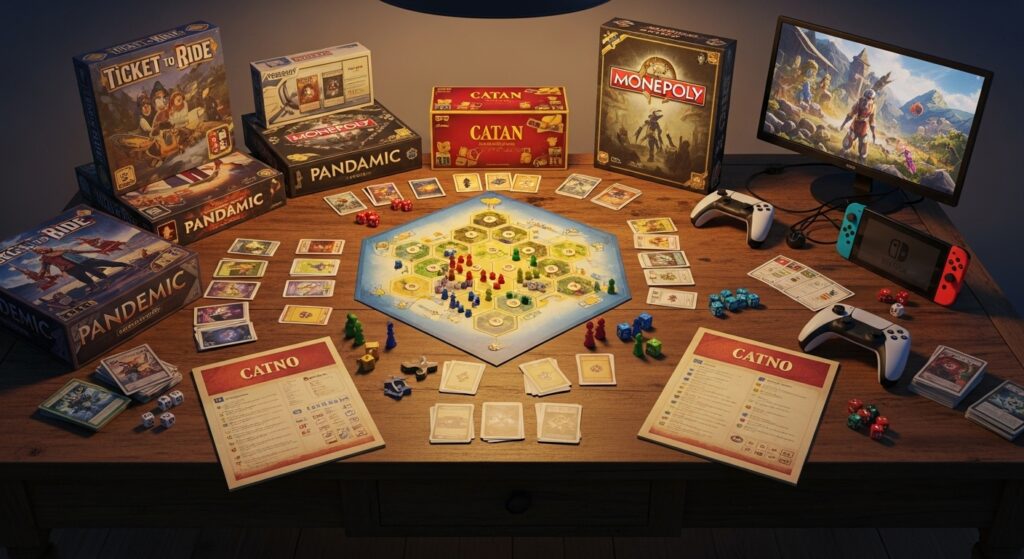
Video games have become a central part of modern entertainment, shaping the way we interact with technology and even how we connect with others. What once began as a niche hobby has now blossomed into a global industry worth billions, with millions of players around the world engaging in interactive experiences that push the boundaries of storytelling, creativity, and competition. In this post, we’ll dive into the world of video games, examining how they’ve evolved, the impact they’ve had, and what makes them so universally appealing.
The Beginnings: From Pixels to Playable Worlds
The roots of video games stretch back to the mid-20th century when simple games like Pong and Space Invaders introduced players to interactive entertainment. These early games were rudimentary by today’s standards, with limited graphics, basic sound effects, and straightforward gameplay mechanics. But despite their simplicity, they captured the imagination of the public, leading to the creation of arcades where players could come together to compete for high scores.
As technology improved, so did the complexity of the games. The 1980s saw the rise of home consoles such as the Atari 2600 and the Nintendo Entertainment System (NES), which brought gaming into the living room. Games like Super Mario Bros. and The Legend of Zelda became iconic, establishing franchises that are still beloved today. The shift from arcade machines to home consoles marked a major turning point in gaming history, making it a mainstream activity that could be enjoyed by anyone, anywhere.
The Golden Age of Consoles and 3D Graphics
By the 1990s, gaming entered a new era with the introduction of 3D graphics, drastically changing the landscape of the industry. Consoles like the Sony PlayStation and Nintendo 64 allowed developers to create vast, immersive worlds that players could explore in ways that were previously unimaginable. The launch of Super Mario 64 and The Legend of Zelda: Ocarina of Time proved that 3D gaming could be not just visually impressive but also deeply engaging in terms of gameplay and narrative.
With the advent of CD-based consoles, games began to include full-motion video, complex soundtracks, and cinematic storytelling. This era marked the beginning of games as an art form, with developers pushing the limits of what was possible to create emotionally rich and compelling experiences. Titles like Final Fantasy VII, Metal Gear Solid, and Gran Turismo demonstrated that video games were capable of offering more than just fast-paced action—they could provide immersive worlds with complex narratives that could rival movies and literature.
The Rise of Online Multiplayer Games
The late 1990s and early 2000s saw the rise of online multiplayer games, opening the door for a whole new style of gaming. Games like Quake, StarCraft, and Counter-Strike revolutionized how players interacted with each other. No longer was gaming confined to single-player experiences or local co-op; players from around the world could now compete or cooperate in real-time.
The rise of online gaming brought about the creation of digital communities and a new form of social interaction. Titles such as World of Warcraft and Halo 2 helped forge global gaming communities that transcended geographical boundaries. These online worlds became a place where players could form friendships, engage in friendly competition, and even join professional gaming leagues, which would eventually lead to the booming world of esports.
The Impact of Mobile Gaming: Accessibility for All
In the 2000s, the advent of smartphones transformed the gaming industry once again. Mobile gaming allowed for a level of accessibility that traditional gaming platforms could not match. With the touch of a screen, anyone could play a game on their phone, whether they were at home, commuting, or waiting in line at the store.
Games like Angry Birds, Candy Crush, and Pokémon GO became instant hits, offering a casual gaming experience that appealed to a broad audience. Mobile gaming’s success has shown that games don’t need to be large-scale, complex experiences to be enjoyable; they can be simple, easy to pick up, and deeply satisfying in their own right.
Moreover, mobile games often serve as a gateway for new players, encouraging them to explore more traditional gaming experiences, from indie games to AAA titles. This accessibility has made gaming more inclusive, allowing players of all ages and backgrounds to participate in the gaming world.
The Age of Virtual and Augmented Reality
As gaming technology continues to advance, virtual reality (VR) and augmented reality (AR) have begun to offer players experiences that go beyond what was previously possible. VR headsets like the Oculus Rift and PlayStation VR have opened up new possibilities for immersion, allowing players to step inside digital worlds and interact with them in a more physical, tangible way.
Games like Beat Saber and Half-Life: Alyx showcase the potential of VR to create truly immersive experiences. Players can move, duck, and swing controllers to interact with the environment, blurring the lines between reality and the digital world. Meanwhile, AR games like Pokémon GO use real-world environments as a canvas for digital interaction, creating a unique blend of the virtual and physical worlds that’s never been seen before.
These technologies are still in their early stages, but they represent the future of gaming, where the digital world is no longer confined to a screen but can be experienced in ways that fully engage our senses.
The Power of Storytelling in Games
One of the most compelling aspects of modern games is their ability to tell stories. While early games were focused on gameplay and mechanics, today’s games often prioritize narrative as much as the action itself. Titles like The Last of Us, Red Dead Redemption 2, and The Witcher 3 are prime examples of how video games can deliver stories that are emotionally resonant, deeply complex, and beautifully crafted.
Video game storytelling allows players to become part of the narrative, making choices that impact the outcome of the story. Whether it’s exploring a post-apocalyptic world or solving a mystery, players are not just passive observers—they are active participants in the tale. This level of interactivity has made games a unique storytelling medium, offering experiences that are more personal and engaging than any other form of media.
Gaming as a Social Experience
In today’s world, gaming has become a highly social activity. Whether through local multiplayer games, online communities, or streaming platforms like Twitch, players are now able to connect with others in ways that were previously impossible. Gaming has become a way to build friendships, share experiences, and even compete in global events.
The rise of online multiplayer games like Fortnite, League of Legends, and Call of Duty has created global communities of players who bond over their shared love for these games. Furthermore, streaming platforms have allowed gamers to share their experiences with viewers, turning ordinary players into celebrities with huge fanbases. This shift has transformed gaming into a form of social interaction, where players not only play together but also watch and learn from one another.
The Future of Gaming: What Lies Ahead?
The future of gaming is as exciting as it is unpredictable. With advancements in artificial intelligence, cloud gaming, and even brain-computer interfaces, the way we play games could change drastically in the coming years. Cloud gaming, for example, allows players to stream high-quality games on devices that wouldn’t normally be able to run them, making gaming more accessible than ever before.
Additionally, the concept of the metaverse—the idea of a fully immersive, shared virtual world where players can work, socialize, and play games—could reshape how we think about online spaces. Companies like Meta (formerly Facebook) and Microsoft are investing heavily in this vision, and it’s likely that the metaverse will be a major part of the gaming landscape in the future.
Conclusion: Gaming as a Universal Experience
From humble beginnings in arcades to sprawling virtual worlds, video games have come a long way. They’ve transcended the boundaries of mere entertainment and become a global cultural force, shaping the way we interact, socialize, and experience stories. Whether through competitive gaming, immersive storytelling, or social connections, games offer something for everyone, and as technology continues to evolve, the future of gaming looks more promising than ever.
Gaming is no longer just for a specific group of people—it has become a universal experience that unites players from all walks of life. And as we look ahead, one thing is certain: the best is yet to come.


