
Pixels, Play, and Purpose: How Games Became the Language of Modern Imagination
Introduction: More Than Just Play
Games have always been part of human culture. From ancient board games carved into stone to complex digital worlds rendered in stunning detail, games reflect how people think, compete, cooperate, and dream. In the modern era, games are no longer simple pastimes. They are stories, social spaces, creative tools, and even professions. This blog explores the evolving world of games, why they matter today, and how they shape the way we experience entertainment, learning, and connection.
The Evolution of Games Through Time
The history of games is closely tied to the history of civilization. Early games were physical and symbolic, often tied to rituals, strategy, or social hierarchy. Chess, for example, mirrored warfare and leadership, while dice games reflected chance and fate.
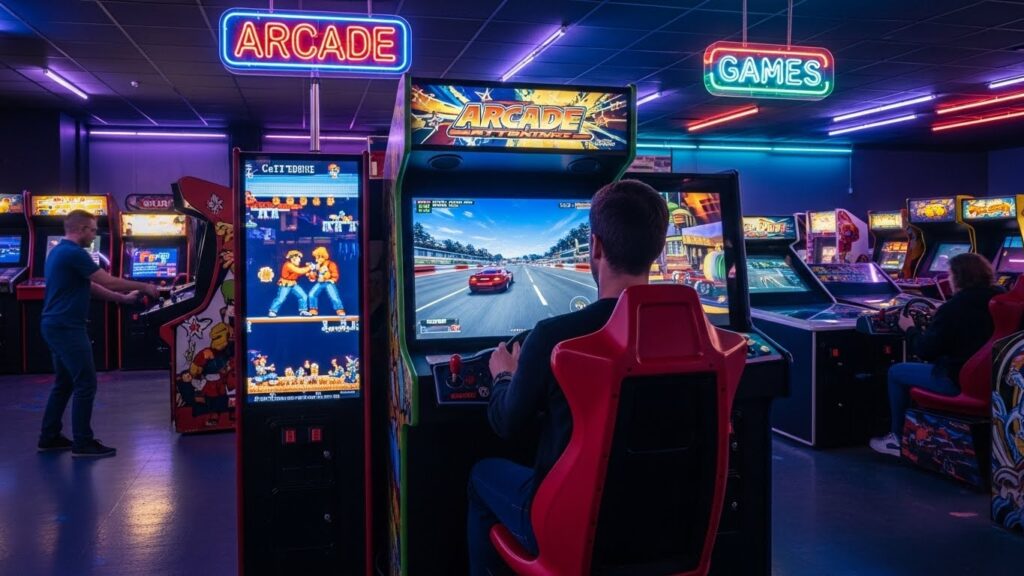
With the arrival of computers, games entered a new phase. Simple pixel-based experiences slowly transformed into rich interactive worlds. Each generation of technology expanded what games could do. Graphics improved, sound became immersive, and storytelling grew more sophisticated. What once fit on a small cartridge now fills massive digital universes where players can spend hundreds of hours exploring.
Games as Interactive Storytelling
Unlike books or films, games place the audience inside the story. Players do not simply watch events unfold; they influence them. Choices matter, actions have consequences, and outcomes can change depending on how a player engages with the world.
This interactivity allows games to explore complex themes such as morality, loss, identity, and survival. Players often form emotional bonds with characters they help guide through difficult journeys. These experiences can be deeply personal, making games one of the most powerful storytelling mediums of the modern age.
The Social Side of Gaming
Games are no longer solitary experiences. Online multiplayer games have turned gaming into a global social activity. Friends separated by distance can meet in virtual worlds, work together toward shared goals, or simply relax and talk while playing.
Communities form around games, creating shared cultures, inside jokes, and traditions. For many people, gaming communities provide a sense of belonging. They offer spaces where individuals can express themselves freely, regardless of age, background, or location.
Competitive Gaming and the Rise of Esports
Competition has always been central to games, but competitive gaming has reached unprecedented levels. Esports has transformed gaming into a professional industry with players, coaches, analysts, and massive audiences.
Professional gamers train rigorously, developing reflexes, strategic thinking, and teamwork skills. Tournaments fill large arenas and attract millions of viewers worldwide. This shift has challenged traditional ideas about sports and competition, proving that mental skill and coordination can be just as captivating as physical athleticism.
Games as Tools for Learning and Growth
Beyond entertainment, games have become powerful educational tools. Many games encourage problem-solving, critical thinking, and creativity. Strategy games teach planning and resource management, while puzzle games sharpen logic and pattern recognition.
Educational games are used in classrooms to make learning more engaging. Simulations allow students to experiment, fail safely, and learn through experience rather than memorization. Even commercial games often develop transferable skills such as communication, leadership, and adaptability.
Creativity and Player Expression
Modern games often give players tools to create their own content. Custom characters, user-designed levels, and in-game building systems empower players to become creators. Some players spend more time designing than playing, turning games into digital canvases.
This creative freedom has led to new careers and art forms. Game streaming, modding, and virtual photography have all emerged from player-driven creativity. Games no longer end when the credits roll; they continue to evolve through the imagination of their communities.
Emotional Impact and Mental Well-Being
Games can evoke a wide range of emotions, from joy and excitement to sadness and reflection. For many players, games provide comfort during stressful times. Immersing oneself in a game world can offer a sense of control and escape when real life feels overwhelming.
When played in balance, games can support mental well-being by providing relaxation, achievement, and social connection. They can also encourage empathy by allowing players to experience perspectives different from their own.
The Business of Games
The gaming industry is one of the largest entertainment industries in the world. Game development combines art, technology, writing, music, and psychology. Behind every successful game is a team of designers, programmers, artists, and storytellers working together.
Monetization models have evolved over time, from one-time purchases to ongoing services. While this has allowed developers to support games for longer periods, it has also sparked discussions about fairness, accessibility, and player trust. These conversations continue to shape the future of the industry.
Challenges and Responsibilities
With great influence comes responsibility. Games can affect behavior, habits, and time management. Developers and players alike must be mindful of balance and healthy engagement. Issues such as online toxicity, accessibility, and representation are important topics within the gaming world.
The industry has begun to address these challenges by creating more inclusive experiences, improving player safety tools, and designing games that respect players’ time and well-being.
The Future of Gaming
The future of games is full of possibilities. Advancements in artificial intelligence, virtual reality, and cloud technology promise new ways to play and interact. Games may become even more personalized, responding intelligently to individual player styles and preferences.
As technology continues to blur the line between physical and digital spaces, games may integrate more deeply into everyday life. They could become central hubs for social interaction, education, and creative expression.
Conclusion: Why Games Truly Matter
Games are more than entertainment. They are reflections of human curiosity, creativity, and connection. They challenge us to think differently, feel deeply, and collaborate with others. Whether played casually or competitively, alone or with friends, games offer experiences that are uniquely interactive and meaningful.
As games continue to evolve, their impact on culture and society will only grow. Understanding games means understanding a powerful form of modern expression, one that speaks in the universal language of play while carrying stories, emotions, and ideas that resonate far beyond the screen.


