
Beyond the Screen: The Timeless Power and Evolution of Games
Introduction to the World of Games
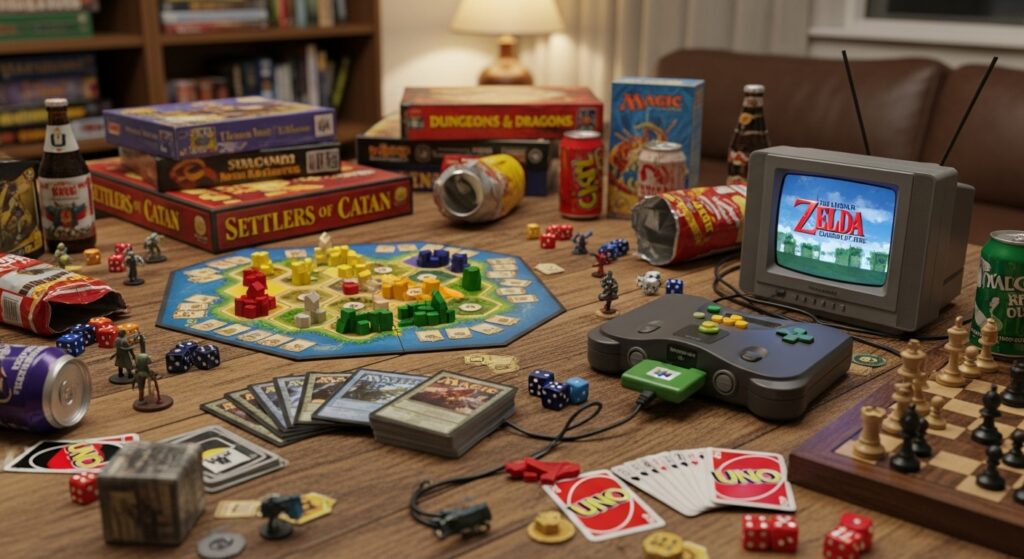
Games have been a part of human culture since the dawn of civilization. From ancient board games carved into stone to the high-tech virtual worlds of today, games have served as a universal language of creativity, challenge, and connection. They are more than just a source of entertainment; they are tools of learning, expression, and community. In every corner of the world, people play games to test their skills, build relationships, and experience emotions that go beyond everyday life. The evolution of games mirrors human progress itself, reflecting our growth in technology, culture, and imagination.
The Ancient Roots of Gaming
Long before screens and consoles, humans found joy in simple games that required only imagination and strategy. Ancient civilizations like Egypt, China, and Greece played early versions of board and strategy games. Games such as Senet, Go, and Mancala provided entertainment while also teaching critical thinking and patience. These games were often tied to cultural beliefs, spiritual rituals, and social gatherings.
In ancient Greece, for instance, games were linked to physical excellence and competition, leading to the birth of athletic contests that inspired modern sports. The core idea of games—testing one’s abilities, understanding rules, and striving for mastery—has remained constant across centuries, even as their forms have evolved dramatically.
The Rise of Modern Board Games
The industrial era brought about a new wave of creativity in gaming. As societies modernized, families sought new ways to bond and pass the time, giving rise to modern board games. Titles like Chess, Checkers, and later Monopoly and Scrabble became household favorites. They encouraged critical thinking, teamwork, and social interaction while fostering a sense of competition in a friendly environment.
These games taught valuable lessons beyond entertainment. Monopoly, for example, introduced players to basic concepts of economy and resource management, while Scrabble helped improve vocabulary and language skills. The beauty of board games lies in their simplicity—they bring people together in shared spaces and rely on the players’ imagination and wit rather than technology.
The Digital Transformation of Games
The arrival of the computer age revolutionized the concept of gaming forever. The 1970s and 1980s marked the birth of digital gaming with the introduction of arcade machines and home consoles. Games like Pong, Space Invaders, and Pac-Man captured the imagination of millions, sparking a cultural phenomenon. The idea that one could interact with digital environments was groundbreaking.
As technology advanced, so did the complexity of games. The transition from 2D graphics to 3D environments in the 1990s opened new dimensions of creativity. Video games became storytelling platforms where players could experience narratives, explore virtual worlds, and make impactful choices. The emotional connection between players and games deepened, turning gaming into an art form.
The Impact of Storytelling in Games
Modern games are no longer just about winning or achieving high scores—they are about experiences, emotions, and journeys. Story-driven games like those in fantasy, adventure, and role-playing genres have elevated storytelling to cinematic levels. Players no longer just play a game; they live through its story, make moral decisions, and experience consequences.
This emotional engagement is what sets games apart from other media. In a film or book, the audience watches passively, but in games, the player becomes part of the narrative. The combination of interactivity, visuals, and sound design creates a deeply personal and immersive experience. The storytelling power of games has made them one of the most influential art forms of the modern era.
The Social Power of Gaming
Gaming has evolved into a global community that transcends age, gender, and geography. Online multiplayer games allow players from different continents to compete, collaborate, and build friendships in real time. The sense of belonging and teamwork that emerges from shared gaming experiences has created digital communities as strong as real-life friendships.
In many cases, games have also become tools for social good. They are used in education, therapy, and even team training. Strategy games develop problem-solving skills, simulation games teach resource management, and cooperative games improve communication. The interactive nature of gaming makes it a powerful medium for learning and connection.
Mobile Gaming and Accessibility
The introduction of smartphones changed gaming once again. Mobile games made the experience accessible to millions who had never owned a console or computer. Simple yet addictive games became part of daily life, offering quick entertainment during commutes or breaks. Mobile gaming has democratized play, reaching audiences of all ages and backgrounds.
This accessibility has transformed the gaming industry. Today, mobile games are not only about fun but also about innovation. Developers focus on creativity, user-friendly design, and instant engagement. The success of mobile gaming highlights how games have become an inseparable part of modern culture.
The Competitive World of Esports
Another major evolution in gaming is the rise of esports—organized, competitive gaming events that attract millions of viewers worldwide. What started as casual competitions has turned into a global industry, with professional players, teams, and massive tournaments. Esports have given gaming a new identity, turning players into athletes who train rigorously and compete at the highest level.
This phenomenon has changed how society views gaming. It is no longer seen as a mere hobby but as a legitimate career path. The teamwork, discipline, and strategy involved in esports are comparable to traditional sports. With growing recognition and support, esports continue to expand, shaping the future of entertainment and competition.
The Art and Design of Games
Every game is a masterpiece of art and design. Behind every pixel, soundtrack, and storyline lies the creativity of developers, artists, and composers. Game design combines visual art, programming, music, and psychology to create interactive experiences that resonate with players. The fusion of artistic elements with technology makes gaming a unique medium for creativity.
The visual styles of games vary from realistic graphics to hand-drawn animations, reflecting the diversity of artistic expression. The soundtrack of a game also plays a crucial role in setting the mood, building tension, and evoking emotions. Together, these elements transform games into immersive worlds that feel alive and meaningful.
The Role of Technology in Gaming Innovation
Technology continues to redefine what is possible in gaming. Virtual reality (VR), augmented reality (AR), and artificial intelligence (AI) are pushing boundaries like never before. VR immerses players in fully interactive 3D worlds, allowing them to physically move and interact within the game. AR blends real-world environments with digital elements, creating hybrid experiences that are both exciting and innovative.
Artificial intelligence enhances gameplay by creating adaptive enemies, realistic interactions, and smarter systems that adjust to each player’s style. Cloud gaming now allows users to play high-end games without expensive hardware, breaking barriers of accessibility. These innovations demonstrate that gaming is not just keeping up with technological progress—it is driving it.
The Educational and Cognitive Benefits of Games
Games are powerful learning tools. Studies have shown that strategic and problem-solving games can enhance cognitive abilities, improve memory, and develop decision-making skills. Educational games are now widely used in classrooms to make learning more interactive and enjoyable.
Beyond academics, games also teach resilience and perseverance. Players learn to deal with failure, adapt to challenges, and improve through practice. These lessons are valuable life skills that extend beyond the virtual world. When used responsibly, games can shape minds and inspire creativity in remarkable ways.
The Psychological Connection Between Players and Games
Games engage players on a deep psychological level. The combination of challenge, reward, and progress triggers motivation and satisfaction. The sense of achievement when overcoming difficult levels or completing objectives provides positive reinforcement that keeps players engaged.
Moreover, games offer a safe space for self-expression and exploration. Players can take on different roles, experiment with choices, and explore identities in ways that might not be possible in real life. This psychological immersion creates a strong bond between players and the digital worlds they inhabit.
Challenges and Misconceptions About Gaming
Despite its many benefits, gaming often faces criticism and misunderstanding. Some view it as a waste of time or blame it for promoting isolation. However, when balanced with real-life activities, gaming can be both healthy and enriching. The real challenge lies in moderation and awareness.
Game developers and communities are increasingly promoting responsible gaming habits. Features like time limits, parental controls, and reminders encourage players to maintain balance. As society grows more aware of the positive aspects of gaming, the stigma surrounding it continues to fade.
The Future of Games
The future of gaming holds limitless potential. As technology evolves, games will become more immersive, intelligent, and inclusive. We can expect to see deeper integration of artificial intelligence, advanced graphics, and even emotional feedback systems that respond to a player’s mood.
The gaming industry will also continue to diversify, embracing new genres and storytelling methods. Inclusivity and representation will play a larger role, ensuring that players from all backgrounds see themselves reflected in the worlds they explore. With innovations like virtual reality and cloud-based systems, the future of games will be more connected, accessible, and imaginative than ever before.
Conclusion
From ancient stones to digital screens, games have been a constant companion in humanity’s journey of discovery and creativity. They connect people, challenge minds, and inspire innovation. Whether through the joy of competition, the thrill of exploration, or the depth of storytelling, games continue to shape how we think, learn, and interact.
The world of gaming is more than entertainment—it is a reflection of our collective imagination and technological progress. As we move forward, games will remain a vital part of culture and society, uniting generations through the shared joy of play. The power of games lies not just in the worlds they create but in the endless possibilities they awaken within us.


