
Beyond the Screen: How Games Transform Entertainment, Creativity, and Connection
Introduction: The World of Games
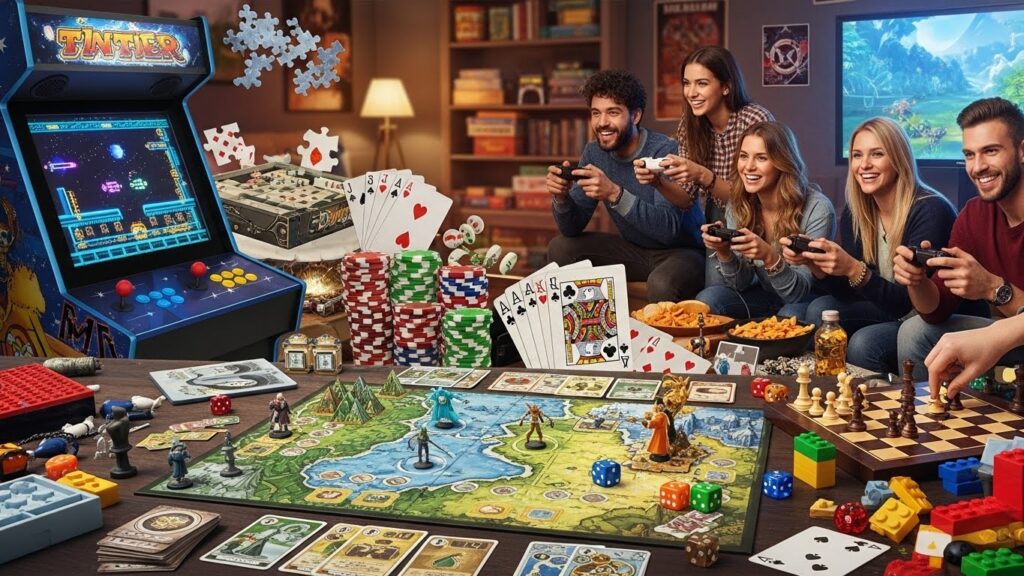
Games have been a part of human culture for thousands of years, evolving from simple physical challenges to immersive digital experiences. Today, games are more than entertainment—they are tools for creativity, learning, social connection, and personal growth. From board games and card games to video games and virtual reality experiences, the world of games offers something for everyone. This blog explores how games have developed over time, their cultural significance, and why they continue to captivate millions around the world.
The Origins of Games: From Ancient Times to Modern Play
Games have been an integral part of human life for centuries. Ancient civilizations used games to entertain, teach strategy, and build community. Board games like Senet in Egypt and Go in China provided not only fun but also mental challenges that tested strategy and critical thinking.
As civilizations evolved, so did games. Card games, chess, and dice became popular in different cultures, each with unique rules and traditions. These early games laid the foundation for modern gaming, demonstrating that play is both universal and timeless. Even before technology, games served as a medium for learning, social bonding, and recreation.
The Rise of Video Games
The 20th century introduced a revolutionary form of games: video games. Starting with simple arcade games like Pong, Space Invaders, and Pac-Man, video games captured the imagination of players worldwide. Arcades became social hubs, fostering community and competition, while home consoles brought gaming into living rooms.
With the arrival of consoles like the Nintendo Entertainment System and Sega Genesis, games became more complex and immersive. Storylines, character development, and interactive gameplay transformed the gaming experience. Video games evolved from simple challenges into entire worlds where players could explore, create, and connect.
Gaming as an Art Form
Modern games are a blend of technology and art. They combine visual design, music, narrative storytelling, and gameplay mechanics to create experiences that are both entertaining and emotionally engaging. Games like role-playing adventures and open-world titles immerse players in detailed worlds with compelling stories and relatable characters.
Unlike movies or books, games are interactive. Players influence the outcome, make choices, and experience consequences, creating a sense of agency that deepens emotional engagement. Music, sound effects, and visual design enhance immersion, making games an art form capable of evoking profound emotions.
The Social Aspect of Gaming
Gaming is increasingly a social experience. Online multiplayer games connect players worldwide, fostering teamwork, collaboration, and competition. Communities form around favorite games, where players discuss strategies, share fan art, and celebrate achievements.
Esports has further transformed gaming into a social and professional arena. Competitive tournaments draw massive audiences, inspiring players to refine their skills and connect with like-minded individuals. Gaming builds friendships, encourages teamwork, and creates communities, proving that it is as much about social interaction as it is about entertainment.
Cognitive and Educational Benefits of Games
Games are not just fun—they also challenge the mind. Strategy games enhance problem-solving, planning, and critical thinking skills. Puzzle games improve spatial awareness and memory, while fast-paced action games develop quick decision-making and reflexes.
Educational institutions have started integrating games into learning. Interactive games and simulations make subjects engaging and help students retain information. Beyond formal education, games encourage creativity, exploration, and critical thinking, making them powerful tools for cognitive development.
Creativity and Game Design
Games provide players with opportunities to be creators, not just consumers. Sandbox games, simulation titles, and modding communities allow users to design levels, characters, and entire worlds. These creative experiences encourage experimentation, artistic expression, and collaboration.
Additionally, gaming inspires creativity beyond the screen. Fans create stories, artwork, music, and videos based on their favorite games. Many of these creative endeavors evolve into careers in game design, animation, and digital art. Games, therefore, nurture imagination and provide avenues for artistic growth.
Open-World Games: Freedom and Exploration
Open-world games are among the most popular modern titles. They offer expansive, interactive environments where players can explore at their own pace. Side quests, hidden secrets, and dynamic events provide freedom to create unique experiences.
The appeal of open-world games lies in choice and autonomy. Players decide how to navigate the world, which challenges to pursue, and how to interact with characters and environments. This freedom fosters immersion and personal storytelling, making every player’s journey unique.
The Emotional Power of Games
Games are emotionally engaging in ways few other mediums can match. Players experience joy, excitement, tension, and empathy through interactive narratives and gameplay. The active participation required in games strengthens emotional investment.
Conquering challenges, completing story arcs, and connecting with characters leave lasting impressions. Games allow players to experience triumph, disappointment, and wonder in a safe environment, providing both entertainment and emotional exploration.
The Rise of Competitive Gaming
Competitive gaming, or esports, has transformed the gaming landscape. Professional players train rigorously, mastering strategies, reflexes, and teamwork. Large-scale tournaments attract global audiences, sponsorships, and media coverage, making gaming a respected and competitive profession.
Casual players also benefit from the competitive aspect. Ranked matches, online competitions, and local tournaments encourage skill improvement and social interaction. Competitive gaming demonstrates how games have grown into a structured, professional, and culturally significant activity.
The Impact of Mobile and Digital Games
Mobile and digital games have made gaming more accessible than ever. Smartphones and tablets allow people to play anywhere, turning commuting, waiting, or short breaks into opportunities for entertainment. Casual games like puzzles, strategy apps, and interactive storytelling attract diverse audiences.
Digital platforms also encourage community engagement. Players can share achievements, compete online, and participate in collaborative challenges. Mobile and digital games expand the reach of gaming, making it an inclusive and widely accessible form of entertainment.
Virtual Reality and the Future of Gaming
Virtual reality and augmented reality are pushing the boundaries of gaming. VR immerses players in fully interactive 3D worlds, allowing them to explore environments, manipulate objects, and interact with characters as if they were physically present. AR blends digital content with the real world, creating innovative gameplay experiences.
The future of gaming will continue to integrate technology, creativity, and social interaction. AI-driven experiences, procedural world generation, and more immersive storytelling will redefine how players experience games. Gaming will evolve into even more dynamic, engaging, and personalized forms of entertainment.
Games as Cultural and Social Commentary
Games often reflect societal issues, cultural narratives, and human emotions. Many modern games explore themes such as identity, morality, politics, and social justice. Players not only experience entertainment but also gain perspectives on real-world topics.
By combining storytelling, interactivity, and decision-making, games allow players to explore complex scenarios and ethical dilemmas. This makes games a medium for reflection and discussion, bridging the gap between entertainment and cultural insight.
Conclusion: The Transformative Power of Games
Games are more than just a way to pass the time. They are a cultural force, a tool for creativity, a source of education, and a medium for social connection. From ancient board games to immersive VR experiences, games have evolved to challenge minds, inspire imagination, and bring people together.
Players engage with stories, solve problems, explore virtual worlds, and connect with communities. Games offer emotional experiences, cognitive benefits, and opportunities for personal growth. They are both entertainment and art, play and learning, individual and collective experience.
In today’s world, games have become essential to modern culture, shaping how we learn, create, and interact. Pressing start is no longer just entering a game—it is stepping into a universe of imagination, connection, and discovery. Games, in every form, continue to transform entertainment and enrich lives around the globe.


