
Beyond the Screen: How Games Shape Our Minds and Culture
Introduction: The Universal Appeal of Games
Games have been an integral part of human culture for centuries. From ancient board games like chess and mancala to modern digital experiences, games serve as a reflection of society, creativity, and human ingenuity. While some view games merely as a source of entertainment, they encompass much more—they teach strategy, foster social connections, stimulate creativity, and even influence education and professional skills. Today, the gaming industry is a multi-billion-dollar global phenomenon, affecting millions of lives in profound ways. This blog explores the world of games, their evolution, their impact, and why they remain a vital part of human experience.
The Evolution of Games
The history of games is as old as civilization itself. Early humans engaged in simple forms of competition and play to sharpen skills, strengthen social bonds, and provide entertainment. Ancient civilizations created board games, dice games, and puzzles as a means of both recreation and education. Chess, for example, developed in India over a thousand years ago, continues to challenge minds worldwide and teaches strategy and foresight.
The 20th century brought the first major technological evolution with the introduction of video games. Early arcade classics like Pong, Pac-Man, and Space Invaders captured the imagination of players and laid the groundwork for the future of digital gaming. Home consoles, starting with systems like the Atari and Nintendo Entertainment System, brought games into households, turning them into shared family experiences. Over time, games evolved from simple, pixelated experiences to highly immersive digital worlds with realistic graphics, complex storylines, and online multiplayer capabilities.
Different Types of Games
Games are no longer restricted to a single format. They span a wide range of platforms and styles, catering to diverse audiences.
Board and Card Games
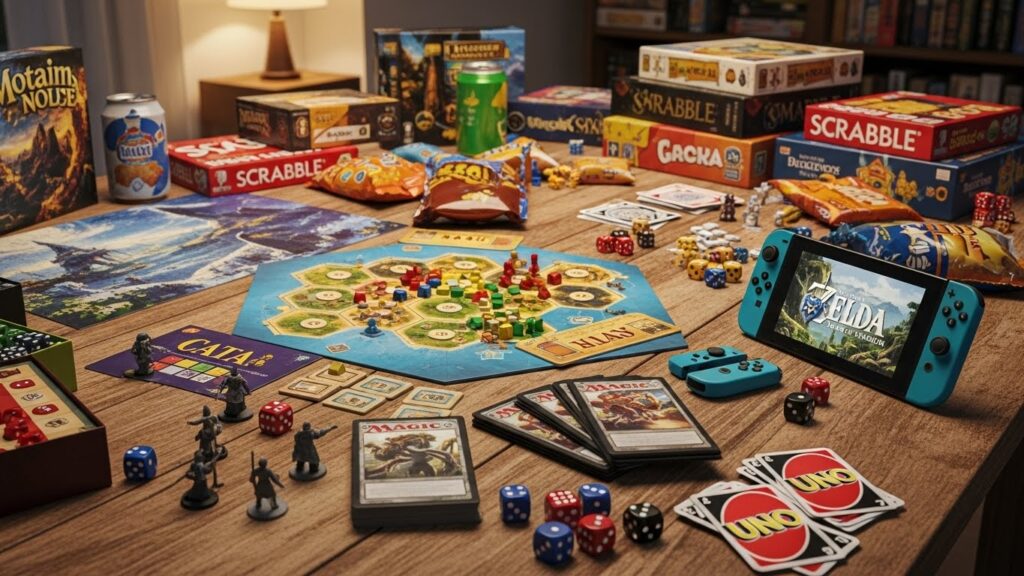
Board and card games remain timeless. Chess, Monopoly, Scrabble, and card games like Poker and Uno offer mental stimulation, strategic thinking, and social interaction. These games encourage face-to-face engagement and can strengthen relationships among family and friends.
Console Games
Consoles such as PlayStation, Xbox, and Nintendo Switch are a dominant force in gaming. They offer immersive graphics, high-quality gameplay, and exclusive titles that appeal to both casual and hardcore gamers. Genres include action-adventure, role-playing, racing, sports simulations, and fighting games.
PC Games
PC gaming is known for its versatility and customization. Gamers can upgrade hardware, install mods, and access a wide array of genres. Competitive gamers prefer PC for precision, speed, and strategic depth, often engaging in online multiplayer battles that demand teamwork and quick thinking.
Mobile Games
Mobile gaming has revolutionized accessibility. Smartphones allow anyone to play games anywhere, from simple puzzles to complex strategy games. Mobile games are perfect for short bursts of entertainment, and free-to-play models have created in-game economies that support long-term engagement.
Virtual Reality and Augmented Reality Games
VR and AR games offer immersive experiences unlike any other. Virtual reality allows players to step into completely digital worlds, while augmented reality blends the digital and physical realms. Though still niche due to hardware costs, VR and AR are rapidly expanding, offering experiences that feel incredibly lifelike.
The Social Impact of Games
Games are not just about winning or losing; they are social experiences. Multiplayer games connect people globally, fostering collaboration, competition, and friendship. Online communities, forums, and gaming events allow players to interact, exchange strategies, and form lasting bonds.
Esports has further elevated gaming into a social and professional phenomenon. Competitive gaming tournaments attract millions of viewers worldwide, creating a shared culture of excitement and admiration for skill and strategy. Streaming platforms also enable gamers to showcase their talents, interact with fans, and build communities around shared interests.
Cognitive and Educational Benefits of Games
Games are often dismissed as purely recreational, but research has shown they provide numerous cognitive benefits. Strategic games enhance problem-solving skills, critical thinking, and planning. Action games improve reflexes, hand-eye coordination, and spatial awareness. Puzzle games challenge logical reasoning and creativity, while simulation games teach resource management and multitasking.
Educational games are increasingly used in classrooms to make learning engaging. They can teach mathematics, history, language skills, and science concepts interactively, demonstrating that games can be both fun and instructive.
Storytelling in Games
Modern games have evolved into a powerful storytelling medium. Games allow players to influence narratives through their choices, creating personal and immersive experiences. Role-playing games, in particular, often feature rich worlds, complex characters, and moral dilemmas that rival novels and films.
Interactive storytelling allows players to experience consequences firsthand, fostering empathy and deeper emotional engagement. Titles like The Last of Us, Red Dead Redemption, and The Witcher series exemplify how games can deliver compelling narratives while maintaining interactivity and challenge.
Games as a Career Path
The gaming industry offers numerous professional opportunities. Esports players, game developers, designers, programmers, and content creators can turn their passion into a career. Streaming platforms have allowed gamers to monetize their skills and creativity, while game development provides a combination of technology and artistry.
Games also influence other industries, such as film, animation, marketing, and education. As technology continues to advance, the demand for talented professionals in gaming and related sectors grows, making it a viable and exciting career option.
Positive Impacts of Gaming
Gaming provides more than entertainment. It offers stress relief, relaxation, and a sense of accomplishment. Multiplayer games encourage teamwork, communication, and leadership skills. Games also foster creativity, whether through level design, character customization, or storytelling.
Moreover, gaming can promote cultural awareness by introducing players to different societies, mythologies, and historical events. Simulation and strategy games often challenge players to think critically about real-world systems and consequences, encouraging analytical thinking.
Challenges in the Gaming World
Despite its benefits, gaming also presents challenges. Addiction is a growing concern, as excessive gaming can negatively affect physical health, social interactions, and productivity. Online gaming communities sometimes face toxicity, harassment, and cyberbullying, requiring vigilant moderation and education.
Representation and inclusivity remain critical areas for improvement. Gamers increasingly demand diverse characters, stories, and perspectives that reflect real-world experiences. Developers are responding by creating more inclusive content, but the industry continues to evolve.
The Future of Gaming
The future promises unprecedented innovation. Cloud gaming is making high-quality experiences accessible on any device, eliminating the need for expensive hardware. Artificial intelligence enables adaptive gameplay, creating dynamic challenges that respond to player behavior. Virtual and augmented reality are poised to create fully immersive worlds that blur the line between digital and physical reality.
Games will increasingly intersect with education, professional training, and social networking. Gamification—the use of game mechanics in non-gaming contexts—will continue to transform how we learn, work, and interact, proving that games are not just entertainment but a tool for personal and societal growth.
Conclusion: Games as a Window to Creativity and Connection
Games are more than just leisure activities—they are a reflection of human creativity, innovation, and social connection. From traditional board games to cutting-edge virtual reality experiences, games challenge our minds, entertain our senses, and bring people together across cultures and generations. They teach valuable skills, foster emotional engagement, and create communities that celebrate shared experiences.
As technology advances and creativity flourishes, the world of games will continue to expand, offering even richer experiences that inspire, educate, and unite. Whether played casually, competitively, or professionally, games remain an essential part of modern life, offering endless possibilities for exploration, imagination, and connection.


