
Beyond Play: How Games Shape Entertainment, Culture, and Technology
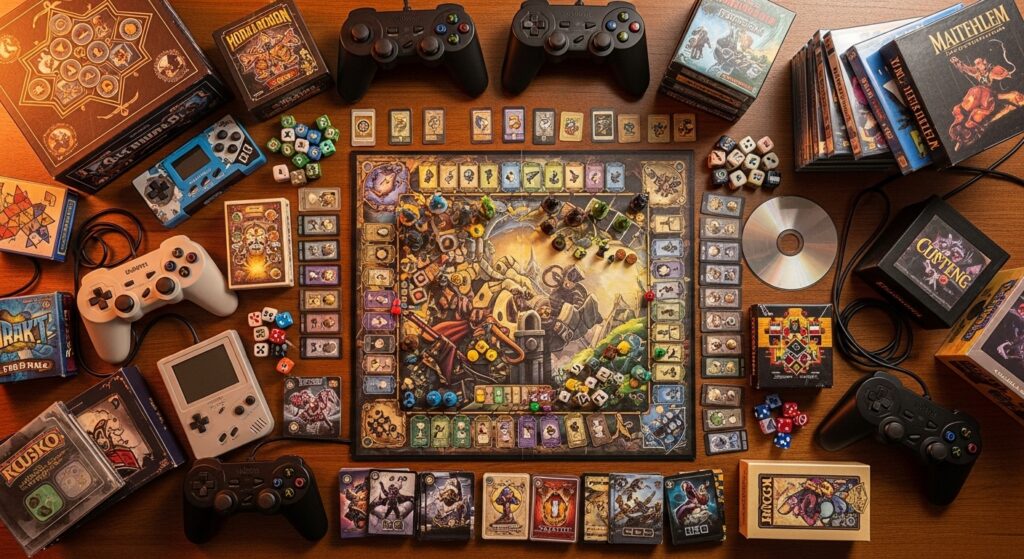
Games have been an integral part of human life for thousands of years. From ancient board games to modern digital experiences, games have evolved alongside society, reflecting human creativity, strategy, and social interaction. More than just a pastime, games influence culture, technology, education, and even mental well-being. This blog explores the history, evolution, impact, and future of games, highlighting why they remain central to entertainment and innovation.
The Origins of Gaming: A Historical Perspective
Games have existed in nearly every culture throughout history. Ancient civilizations like Egypt, Mesopotamia, and China developed board games such as Senet and Go, which combined entertainment with strategy and social interaction. These games were more than leisure—they were tools for teaching strategy, critical thinking, and planning.
Physical games and sports also played a significant role in society. Early communities used athletic competitions and skill-based challenges for both recreation and social bonding. Even in these early forms, games reflected human ingenuity and the desire to engage in structured, rule-based challenges.
Board Games and the Birth of Structured Play
Board games represent one of the earliest organized forms of entertainment. They introduced rules, objectives, and competitive elements that shaped the concept of modern gaming. Games like chess, checkers, and backgammon not only entertained but also encouraged strategic thinking, planning, and foresight.
The cultural significance of board games is profound. They often mirrored societal hierarchies, philosophical concepts, and strategic warfare. Beyond entertainment, they became instruments of education, social interaction, and even diplomacy in some cultures.
The Evolution of Video Games
The advent of computers and consoles revolutionized gaming. Early arcade machines and home consoles brought digital games to the masses, allowing players to interact with virtual worlds in unprecedented ways. Titles like Pong and Space Invaders laid the foundation for the video game industry, introducing competition, high scores, and addictive gameplay loops.
As technology progressed, games became more complex, immersive, and interactive. Graphics, sound design, and storytelling advanced significantly, creating experiences that rivaled traditional forms of entertainment like film and theater. Modern video games blend narrative, strategy, and skill, offering diverse experiences for players of all ages.
The Appeal of Video Games
The appeal of video games lies in their interactivity and immersion. Unlike passive entertainment, games require players to make decisions, solve problems, and actively engage with the content. This participation creates a sense of achievement, control, and agency.
Games also offer a variety of experiences. From action-packed shooters and strategy simulations to role-playing adventures and puzzle challenges, players can choose games that match their preferences and skills. This diversity ensures that gaming remains engaging and relevant across generations.
Multiplayer Games and Online Communities
Online multiplayer games have transformed gaming into a social experience. Players can connect with friends and strangers worldwide, compete in teams, and form communities centered around shared interests. Platforms like MMORPGs, battle arenas, and online shooters foster collaboration, competition, and camaraderie.
These communities enhance the gaming experience by providing social interaction, shared achievements, and mentorship. Players exchange strategies, celebrate victories, and learn from defeats, creating a dynamic environment that extends beyond the game itself.
The Role of Esports in Gaming Culture
Esports has elevated gaming from casual entertainment to professional competition. Competitive gaming tournaments attract millions of viewers, feature professional players, and offer substantial prizes. Games like League of Legends, Dota 2, and Counter-Strike have become global phenomena, blending athletic skill, strategic thinking, and entertainment.
Esports has also created career opportunities beyond playing. Coaches, analysts, commentators, event organizers, and content creators are integral to the ecosystem. The rise of esports demonstrates that gaming is not only entertainment but also a viable profession and a major component of contemporary culture.
Games as a Tool for Education and Development
Games are increasingly recognized for their educational potential. Strategy games, simulations, and problem-solving challenges enhance cognitive skills, critical thinking, and decision-making abilities. Educational institutions are incorporating gamified learning platforms to engage students and improve retention.
Games also teach resilience, teamwork, and adaptability. Players learn to handle setbacks, strategize under pressure, and collaborate with others to achieve objectives. These lessons extend beyond gaming, providing valuable skills applicable to personal and professional life.
The Psychological and Social Benefits of Gaming
Gaming offers numerous psychological benefits. Engaging gameplay can reduce stress, provide escapism, and boost mood. Completing challenges and achieving in-game objectives provides a sense of accomplishment, motivation, and self-efficacy.
Socially, games facilitate interaction and community building. Multiplayer games, guilds, and online tournaments connect people across geographic boundaries, fostering friendships, mentorship, and collaborative experiences. Gaming can thus serve as both recreation and social enrichment.
The Technological Innovations Driving Modern Gaming
Modern gaming is driven by technological innovation. Advanced graphics engines, artificial intelligence, and virtual reality provide immersive, lifelike experiences. Cloud gaming enables high-quality play without expensive hardware, while mobile gaming makes games accessible anytime, anywhere.
Virtual and augmented reality are creating entirely new genres of interactive entertainment. Players can explore immersive worlds, manipulate objects, and interact with digital environments in ways that were impossible in earlier generations of gaming. Technology continues to push the boundaries of what games can achieve.
Mobile Gaming and the Democratization of Play
Mobile gaming has made games accessible to billions worldwide. Smartphones and tablets allow people to play anywhere, providing quick entertainment on the go. Casual games, social games, and puzzle apps have introduced millions of new players to gaming, expanding the demographic beyond traditional gamers.
The accessibility of mobile games has also encouraged innovation in monetization, gamification, and social integration. Players can connect with friends, participate in online events, and engage in challenges without investing in specialized hardware, democratizing the gaming experience.
Games and Storytelling
Modern games often feature rich narratives that rival novels and films. Story-driven games combine plot, character development, and interactive choices to create immersive experiences. Players not only witness stories unfold but also influence outcomes, creating personalized journeys.
This narrative dimension has elevated games as a cultural medium. They explore complex themes, provoke thought, and foster empathy by allowing players to experience perspectives different from their own. Gaming has evolved into a storytelling platform with unique interactivity and emotional resonance.
Challenges Facing the Gaming Industry
Despite its growth, gaming faces challenges. Issues such as addiction, excessive screen time, and exposure to inappropriate content require attention. Developers, platforms, and communities must promote responsible play and provide tools for moderation.
Regulatory differences across countries can also complicate distribution, monetization, and online competition. Ensuring security, fairness, and ethical practices is crucial for sustaining the industry’s credibility and long-term success.
The Future of Gaming
The future of gaming promises continued innovation and expansion. Artificial intelligence, cloud computing, virtual reality, and augmented reality will redefine gameplay and player experiences. Cross-platform play, interactive storytelling, and personalized experiences will become standard expectations.
Gaming will also continue to intersect with social media, esports, and digital communities, strengthening its cultural impact. As technology advances, gaming will remain a central part of entertainment, education, and social interaction, offering new ways for people to connect, challenge themselves, and explore creativity.
Conclusion: Games as a Cornerstone of Human Creativity
Games are far more than simple pastimes—they are a reflection of human ingenuity, culture, and social connection. From ancient board games to immersive digital worlds, gaming has evolved to offer entertainment, education, and social interaction on an unprecedented scale.
The growth of online communities, esports, mobile gaming, and advanced technologies underscores gaming’s central role in modern culture. As innovation continues, games will remain at the forefront of entertainment, inspiring creativity, collaboration, and lifelong engagement for players around the world.


