
Beyond Play: How Games Shape Entertainment and Imagination
Introduction
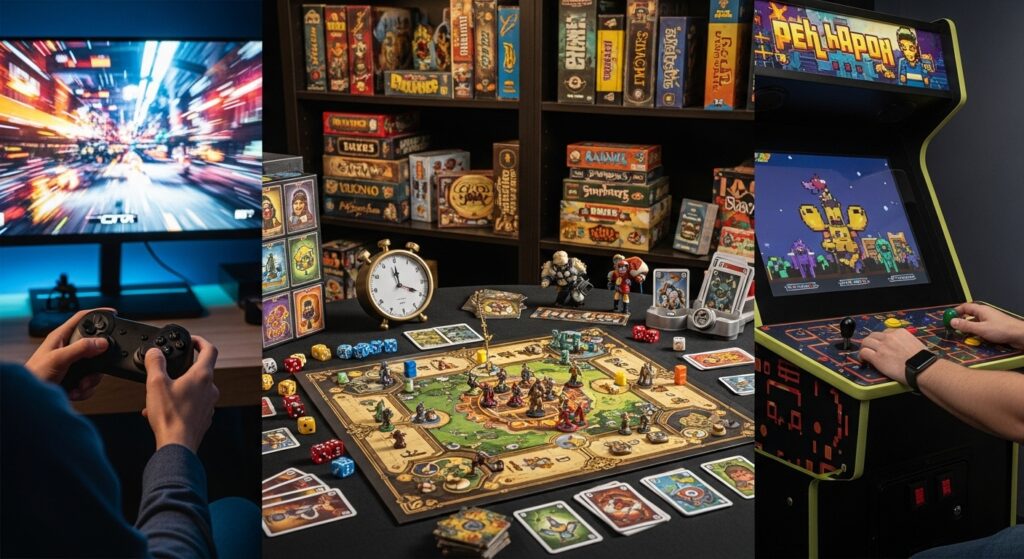
Games are more than just a way to pass time—they are an essential part of culture, learning, and social connection. From traditional board games to the latest digital experiences, games engage our minds, challenge our skills, and bring people together. In today’s world, games have evolved into a diverse and dynamic form of entertainment that appeals to all ages.
The Evolution of Games
Games have a long and fascinating history. Ancient civilizations created board games and physical challenges that combined strategy, skill, and chance. With the invention of video games, the landscape changed dramatically. Early classics like Pac-Man and Super Mario transformed entertainment, paving the way for modern interactive experiences. Today, games are not only digital but also immersive, incorporating virtual reality, augmented reality, and mobile platforms that make play accessible everywhere.
Games as a Tool for Learning
Games are powerful tools for education and personal growth. Strategy games teach problem-solving and critical thinking, while puzzles enhance memory and attention to detail. Many educational games make learning fun and interactive, helping players develop skills that go beyond the screen. Even traditional board games encourage cooperation, negotiation, and patience, showing that games can teach life lessons while entertaining.
The Social Impact of Games
Games have a unique ability to connect people. Multiplayer experiences allow players to collaborate or compete with friends and strangers around the world. These interactions build communities, foster friendships, and sometimes even create a sense of belonging. In a world where digital interaction is increasingly important, games provide a space for social connection, teamwork, and shared experiences.
The Creative Power of Games
Modern games are platforms for storytelling and creativity. Developers craft intricate worlds, engaging narratives, and unique characters that captivate players. Some games allow players to create their own worlds, design levels, or craft in-game items, offering endless opportunities for creativity. Gaming has become a medium where imagination meets technology, producing experiences that are both entertaining and inspiring.
Competitive Gaming and Esports
The rise of competitive gaming, or esports, has transformed how games are perceived. Tournaments attract global audiences, showcasing skill, strategy, and teamwork. Professional gamers are recognized for their talent, and careers in streaming, commentary, and coaching have become viable paths. Esports has elevated games from recreational activity to professional pursuit, highlighting the dedication and skill of players worldwide.
The Future of Games
The future of gaming is bright and full of innovation. Virtual reality and augmented reality promise immersive experiences that blur the line between the digital and physical worlds. Artificial intelligence is making games more adaptive and interactive, creating challenges tailored to each player. As technology advances, games will continue to evolve, offering deeper engagement, creativity, and connection.
Conclusion
Games are far more than entertainment—they are tools for learning, creativity, and social connection. They challenge our minds, inspire imagination, and bring people together across cultures and generations. As the world of games continues to grow and inn


