
Games: The Universal Language of Fun and Challenge
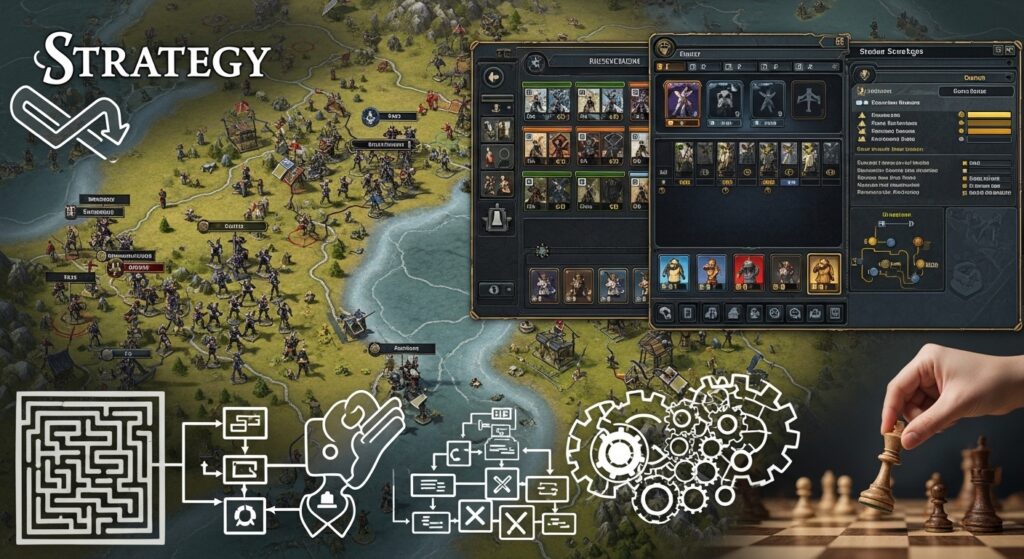
Games have always been a significant part of human life, from ancient board games carved into stone to modern digital adventures experienced on glowing screens. They are more than just a way to pass time; they reflect creativity, culture, intelligence, and the desire to achieve something meaningful. Games teach us how to win gracefully, how to lose with dignity, and most importantly, how to collaborate, strategize, and enjoy the moment. Whether it’s a traditional sport or a video game, every type of game has its own world, its own story, and its own lessons.
The Ancient Roots of Games
The history of games is as old as civilization itself. Archaeologists have discovered ancient game boards that date back thousands of years. Games like Senet in Egypt or the Royal Game of Ur in Mesopotamia show how deeply humans have always loved structured play. These early games were not just entertainment; they often carried spiritual or cultural significance. Ancient societies used games to simulate life’s challenges, to teach lessons of fate and strategy, and to bring communities together.
In many early cultures, games were associated with religious rituals. Dice, for instance, were once used as tools of divination to predict the future. Chess, which originated in India as Chaturanga, was a game of war strategy meant to mirror the thinking of generals and kings. Every move, every rule, carried meaning beyond the board. This shows that games have always been intertwined with human thought and evolution.
The Evolution from Physical to Digital
As centuries passed, games evolved with technology and imagination. The industrial age gave rise to more organized and commercial forms of play. With the invention of printing, card games spread widely, and with urbanization, indoor games like billiards, darts, and table tennis became popular. But the real revolution began in the twentieth century when games took their first digital step.
The creation of the first computer and arcade games transformed entertainment forever. Pong, Space Invaders, and Pac-Man were not just simple games—they were the beginning of a cultural phenomenon. People began spending hours in arcades, competing for the highest score. Video games became more than play; they became art, technology, and culture combined.
By the time the home gaming console arrived, a new era had begun. Systems like the Atari 2600, Nintendo Entertainment System, and later the PlayStation and Xbox, changed how people interacted with entertainment. No longer was gaming just a physical act—it became a virtual journey where anyone could become a hero, a racer, a warrior, or a creator.
The Power of Storytelling in Games
One of the greatest transformations in gaming history has been the rise of storytelling. Early games were about points, speed, or reflexes. Modern games, however, tell rich and emotional stories that rival books and movies. The player is not just an observer but an active participant in the narrative.
Games like The Legend of Zelda, Final Fantasy, and The Last of Us show how deeply stories can affect players. Through these experiences, people cry, laugh, and reflect on moral choices. The characters feel alive, and the virtual worlds feel real. This emotional engagement is what makes storytelling games so powerful—they create empathy and personal connection.
The art of storytelling in games also gives players freedom. Instead of following a fixed path, they can make choices that shape the outcome of the story. This interactivity makes each experience unique and personal. A game’s ending might depend on kindness, courage, or selfishness, giving every player a sense of control over their virtual destiny.
Competitive Spirit: The Rise of Esports
Competition has always been a core part of gaming. Just as athletes compete in sports, gamers now compete in virtual arenas watched by millions. Esports, or electronic sports, have become a global industry worth billions. Professional players train for hours, analyze their opponents, and perform under immense pressure.
Games like Dota 2, League of Legends, and Counter-Strike have turned gaming into a serious career. Tournaments fill stadiums, and online platforms broadcast these competitions live to fans around the world. Esports players have coaches, nutritionists, and sponsorships, similar to traditional athletes.
This shift shows how gaming has evolved from a hobby into a profession. It also highlights how teamwork, discipline, and strategy are as vital in virtual sports as in physical ones. Esports is not just about reflexes; it’s about communication, timing, and understanding psychology. The best teams succeed because they think as one unit.
The Social Side of Gaming
For many, gaming is not a solitary experience—it’s a way to connect with others. Multiplayer games allow friends and strangers from around the world to join forces, compete, or simply hang out. In a digital age where distance often separates people, games bring them closer.
Social interaction in gaming goes beyond simple play. Online communities form around shared interests, and friendships blossom through cooperation and shared victories. Many people who play together online develop long-lasting relationships, even if they have never met in person.
Games have also become platforms for creativity. Titles like Minecraft and Roblox let players build their own worlds, create art, and even design entire game systems. These communities blur the line between creator and player, making everyone a part of the creative process.
Educational and Cognitive Benefits of Games
While games are often seen purely as entertainment, studies have shown that they can offer real educational and mental benefits. Games sharpen reflexes, improve problem-solving skills, and enhance multitasking abilities. Strategy games develop planning and critical thinking, while puzzle games encourage pattern recognition and memory retention.
Educational games, especially for children, turn learning into an enjoyable experience. Subjects like math, history, and science can be taught through interactive simulations that make abstract ideas concrete. Even adults benefit from games that challenge the brain, such as word puzzles or logic-based challenges.
In professional settings, simulations are used to train pilots, surgeons, and soldiers. These serious games create safe environments for practice, reducing real-world risks. By merging education and play, games make learning more engaging and effective.
The Psychology of Gaming
The attraction to games goes beyond fun. Psychology plays a significant role in why people love to play. Games provide clear goals, instant feedback, and a sense of progression—all of which satisfy fundamental human needs. When a player completes a level or achieves a victory, the brain releases dopamine, creating feelings of pleasure and accomplishment.
Games also offer a sense of control and escape. In a world that can often feel unpredictable, games present structured environments where players can make choices, solve problems, and see the results immediately. This sense of empowerment is deeply satisfying.
However, gaming psychology also has a darker side. Some players can become too attached to virtual worlds, neglecting real-life responsibilities. This is why balance is crucial. Games should enhance life, not replace it. Responsible gaming ensures that players enjoy the benefits without falling into harmful patterns.
Innovation and the Future of Gaming
The gaming industry continues to evolve at an astonishing pace. New technologies are constantly reshaping the experience. Virtual reality (VR) and augmented reality (AR) have brought immersion to new levels. Players can now step directly into the game world, exploring it with physical motion and natural gestures.
Artificial intelligence is also changing gaming. Enemies adapt to player behavior, worlds react dynamically, and personalized challenges create unique experiences. Developers now use AI to design smarter, more realistic, and emotionally aware game characters.
Cloud gaming is another major innovation. Instead of requiring powerful hardware, players can now stream games directly over the internet. This makes high-quality gaming accessible to more people, regardless of their device.
In the future, we can expect even deeper integration of gaming with daily life. Educational systems, workplaces, and social networks will all use game-like systems to engage and motivate people. The boundaries between real and virtual worlds will continue to blur.
The Cultural Influence of Games
Games have become one of the strongest cultural forces in modern society. They influence music, fashion, language, and even films. Iconic characters and soundtracks are instantly recognizable to millions. Gaming events draw massive audiences, and cosplay communities celebrate their favorite characters with creativity and passion.
Moreover, games serve as cultural mirrors. They reflect the hopes, fears, and values of their time. For example, war games often explore the morality of conflict, while role-playing games question identity and choice. Independent developers use games to tell personal or political stories, transforming them into tools for expression and awareness.
The global reach of gaming also promotes cross-cultural understanding. A player in one country can experience the myths, art, and traditions of another through a game’s world. This makes gaming not just entertainment but a form of global communication.
The Challenges and Criticisms of Gaming
Despite its many positives, gaming is not without criticism. Concerns about addiction, violence, and social isolation have been raised for decades. While most research shows that games alone do not cause harmful behavior, moderation is essential. Too much screen time can affect health, sleep, and relationships.
Another challenge is the issue of representation and inclusivity. For a long time, games often reflected limited perspectives. But in recent years, developers have begun creating more diverse characters and stories, ensuring that all players can see themselves represented. This inclusivity is vital for making gaming a space for everyone.
There are also ethical questions about microtransactions and loot boxes, where players pay for virtual items. These practices can sometimes blur the line between entertainment and exploitation, especially for younger audiences. Responsible design and fair business models are needed to keep gaming healthy and enjoyable.
Games as a Tool for Creativity
Beyond playing, many people use games as creative outlets. Game design itself is an art form that combines storytelling, coding, music, and visual design. Players who learn to design their own games not only express themselves but also gain valuable technical and artistic skills.
Platforms that allow modding—modifying games—give rise to endless creativity. Entire new genres have been born from player-made modifications. This participatory culture has turned gaming into a collaborative art form where fans and creators build worlds together.
Even non-programmers can now design games thanks to accessible tools that let anyone turn an idea into an interactive experience. This democratization of game creation ensures that the future of gaming will be filled with diverse voices and fresh ideas.
The Emotional Connection with Games
One reason games resonate so deeply with people is the emotional connection they foster. Unlike passive entertainment, games require participation. Players feel the consequences of their actions, celebrate their victories, and mourn their losses.
Music, visuals, and story combine to create powerful emotions. A well-crafted moment in a game can stay with a player for years. It could be the joy of completing a tough level, the sorrow of losing a companion, or the beauty of discovering a breathtaking landscape.
This emotional engagement is what makes gaming so memorable. It’s not just about winning—it’s about feeling. Games can inspire empathy, courage, and even self-reflection.
Conclusion: The Infinite Game of Life
Games are more than play; they are a reflection of life itself. They teach us patience, creativity, teamwork, and the joy of discovery. Whether physical or digital, simple or complex, every game offers a world of lessons and emotions.
From ancient boards to virtual realities, from childhood playgrounds to esports arenas, games continue to evolve—but their essence remains the same. They bring people together, challenge the mind, and spark imagination. In a world often filled with stress and uncertainty, games remind us that joy, curiosity, and competition are timeless parts of being human.
Gaming is not just a pastime—it’s a universal language that connects us all.


