
The Magic of Games: More Than Just Play
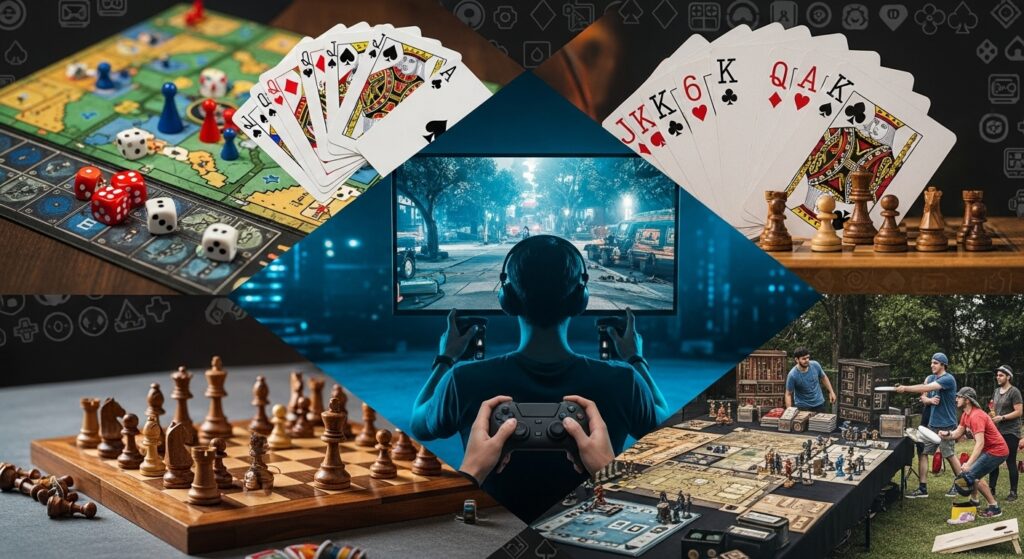
Games have always been a part of human culture, from simple board games to complex video games. They entertain, challenge, and inspire people of all ages. But games are more than just fun—they can teach, connect, and even shape our thinking.
The Evolution of Games
Games have come a long way over the years. Early games were simple, relying on luck or basic strategy. Today, games are highly interactive experiences with immersive graphics, compelling stories, and intricate mechanics. Whether digital or physical, games continue to evolve, offering players new ways to explore creativity and problem-solving.
Games as a Social Experience
Games bring people together. Multiplayer and cooperative games allow friends, families, and even strangers to connect and collaborate. Through teamwork and shared challenges, players develop communication skills and build lasting friendships. Games have become a social platform where community and collaboration thrive.
Cognitive and Emotional Benefits
Playing games is not just about entertainment; it can improve mental skills. Strategy games enhance critical thinking, puzzle games strengthen problem-solving abilities, and fast-paced games improve reflexes and focus. Games can also boost emotional intelligence by allowing players to experience different perspectives and scenarios in a safe environment.
Games and Technology
Advancements in technology have transformed games into immersive experiences. Virtual reality, augmented reality, and sophisticated graphics transport players into new worlds. Technology not only makes games visually stunning but also allows for creative storytelling and interactive learning experiences.
Games as an Art Form
Games are increasingly recognized as a form of artistic expression. Developers use music, design, narrative, and gameplay to craft experiences that can inspire, challenge, and move players. Like books or films, games tell stories, evoke emotions, and spark imagination.
Conclusion: The Endless Impact of Games
Games are much more than a pastime—they are tools for learning, creativity, and connection. They entertain, challenge, and inspire, bridging gaps between people and cultures. As games continue to evolve, their influence on society, technology, and art is only set to grow. The world of games is limitless, and the adventure has only just begun.


