
Worlds We Play: How Games Shape Imagination, Connection, and Modern Life
Introduction to the Global Power of Games
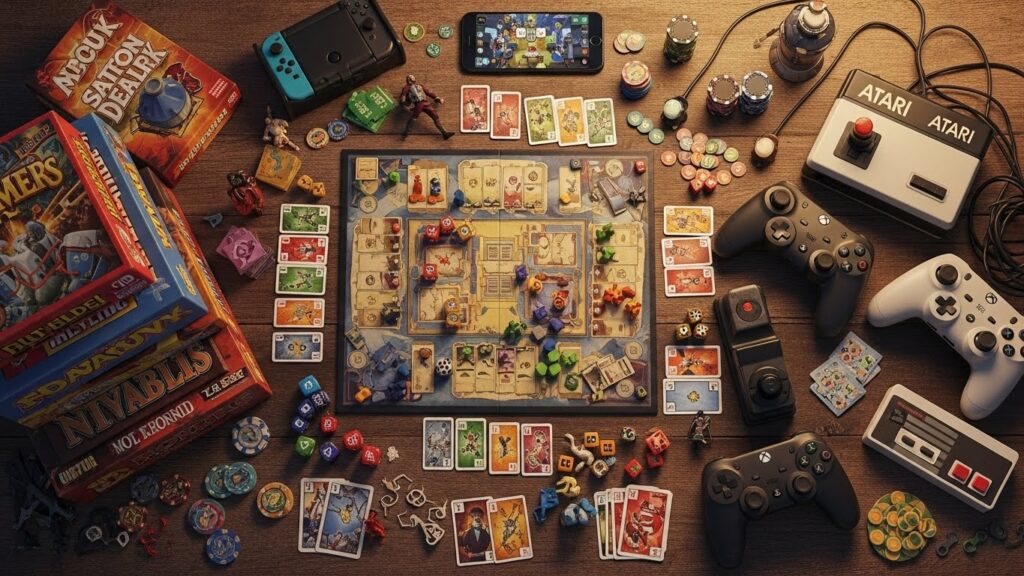
Games have long been a source of joy, challenge, and creativity for people across the world. From simple board games played with family to elaborate digital adventures powered by cutting-edge technology, games continue to evolve while remaining deeply connected to human imagination. They offer a space where age, background, or nationality does not matter. Instead, games unite people through shared experiences, competition, and storytelling. In the modern era, the global gaming landscape has grown into a powerful cultural force, influencing entertainment, education, technology, and the way people interact with the world around them.
The Ancient Origins of Play
Long before digital graphics and virtual worlds existed, early civilizations used games as a form of recreation, strategy training, and social bonding. Games such as dice, chess, and various board games emerged centuries ago as ways to stimulate the mind and encourage strategic thinking. These early forms of play show that gaming is deeply rooted in human nature. People have always sought ways to engage with challenges, solve puzzles, and compete with one another. The ancient origins of play reveal that games are not simply a modern invention but a timeless aspect of human culture.
The Evolution of Games Through Technology
Technology has reshaped gaming more dramatically than any other development in history. The arrival of home consoles, computers, and smart devices transformed simple games into immersive experiences filled with vibrant worlds, complex mechanics, and interactive storytelling. Early video games were simple and pixelated, yet incredibly captivating. As technology advanced, developers introduced 3D environments, online features, sophisticated artificial intelligence, and dynamic audio effects. Today’s games push the boundaries of creativity, allowing players to explore vast open worlds, participate in lifelike simulations, and connect with others across continents. The evolution of games highlights how innovation continually redefines the limits of imagination.
The Art of Game Design
Game design is an intricate blend of creativity, psychology, and technology. Every successful game begins with a vision: a world that players can explore, a story they can follow, or a challenge they can overcome. Designers focus on mechanics, characters, visuals, sounds, and emotions to create an experience that feels engaging and memorable. They consider everything from pacing and difficulty to atmosphere and aesthetics. A well-designed game invites players into a carefully crafted experience where every detail matters. The art of game design demonstrates how games have become a powerful storytelling medium, capable of delivering emotional and intellectual experiences that resonate with players.
Games as a Form of Storytelling
Games are one of the most dynamic storytelling mediums in modern entertainment. Unlike traditional stories where the audience plays a passive role, games allow players to become active participants. They make decisions, influence outcomes, and experience consequences firsthand. This level of interactivity creates a deep emotional connection to characters and narratives. Whether exploring ancient ruins, saving a fictional kingdom, or uncovering a hidden mystery, players step into worlds that blend imagination with immersion. Games offer a storytelling experience that is both personal and interactive, making each journey unique.
How Games Build Skills and Knowledge
Beyond entertainment, games are powerful tools for learning and skill development. Strategy games enhance critical thinking and decision-making. Puzzle games strengthen memory and problem-solving abilities. Simulation games teach real-world concepts, from managing finances to running cities or flying aircraft. Educational games make learning enjoyable, especially for younger players who benefit from interactive experiences. Many schools and organizations use games to teach teamwork, leadership, and communication. The learning potential of games shows that play can be both fun and intellectually enriching, blending enjoyment with personal growth.
The Social Connection Games Create
Games have become one of the most popular ways for people to connect with friends, family, and even strangers. Multiplayer experiences allow individuals to work together, compete, or simply enjoy each other’s company in virtual spaces. This social interaction can be especially valuable for people who feel isolated or live far from others. Online communication, cooperative missions, and shared achievements create a sense of community among players. For many, gaming becomes a place where friendships are formed, teamwork is strengthened, and memories are created. Games remind us that connection can happen anywhere, even through pixels and screens.
Competition and the Thrill of Winning
Competition is a natural part of gaming. Whether playing a board game with family or participating in a high-level tournament, the thrill of competing offers excitement and motivation. Players often strive to improve their skills, learn strategies, and test their abilities against others. Healthy competition encourages personal growth and resilience. It pushes players to think creatively, adapt quickly, and embrace challenges with determination. The thrill of victory and the lessons learned from defeat make gaming an enriching competitive experience for people of all ages.
Games as a Creative Outlet
Games provide endless opportunities for creativity. Whether designing characters, building worlds, or customizing gameplay, players often have the freedom to express themselves. Creative games allow users to construct cities, paint artwork, compose music, or craft intricate stories. Many players also create their own game modifications, levels, or even entirely new game experiences. This level of creative involvement makes gaming not just an entertainment activity but a platform for imagination and artistic expression.
The Rise of Mobile Gaming
Mobile devices transformed gaming by making it accessible to nearly everyone. Smartphones and tablets brought games into the pockets of billions of users around the world. Mobile gaming appeals to all age groups, from children to adults, and offers a wide variety of experiences. Whether through casual puzzle games or complex strategy titles, mobile gaming has created new opportunities for creativity, innovation, and social connection. Its convenience and accessibility ensure that gaming continues to expand to new audiences.
The Role of Games in Mental Well-Being
Games can have positive effects on mental health when enjoyed responsibly. They offer relaxation, stress relief, and a temporary escape from reality. Playing games can improve mood, boost confidence, and provide a sense of accomplishment. Cooperative and social games help reduce loneliness, while calming experiences support emotional balance. Many games encourage mindfulness, creativity, and self-expression, making them valuable tools for maintaining mental well-being. While moderation is important, the mental benefits of gaming highlight its value beyond entertainment.
Diversity in Gaming Communities
Modern gaming communities are more diverse than ever before. People from all cultures, genders, and backgrounds participate in gaming and contribute their unique perspectives. This diversity enriches the community, encouraging more inclusive stories, characters, and experiences. Developers increasingly embrace representation, ensuring that games reflect the varied identities of the players who enjoy them. A diverse community fosters creativity, empathy, and deeper storytelling, making gaming a more welcoming environment for all.
The Business and Economy of Games
The global gaming industry has grown into one of the most influential entertainment sectors. It supports careers in design, programming, art, writing, sound, marketing, broadcasting, and management. Game developers, publishers, content creators, and professional players all play vital roles in the ecosystem. The industry generates billions in revenue and continues to expand with new platforms, technologies, and innovations. The business of gaming provides opportunities for professionals, entrepreneurs, and creative individuals looking to shape the future of interactive entertainment.
The Future of Gaming
The future of gaming promises extraordinary innovation. Advancements in virtual reality, augmented reality, artificial intelligence, and cloud technology will transform how players experience digital worlds. Games may become more immersive, more realistic, and more interactive than ever before. New forms of social gaming will allow deeper connections between players, while creative tools will empower users to design their own worlds. As gaming continues to evolve, it will influence entertainment, education, communication, and everyday life. The future of gaming is not just about better graphics or faster systems; it is about reimagining how humans interact with technology and each other.
Conclusion: The Endless Possibilities of Play
Games offer a world of endless possibility. They inspire creativity, strengthen relationships, enhance skills, and provide an escape into imaginative worlds. As technology evolves and communities grow, games will continue to shape modern culture in meaningful ways. They remind us that play is not just a pastime but an essential part of human experience. Through games, we explore new worlds, connect with others, and discover what it means to challenge ourselves. The legacy of gaming is one of innovation, imagination, and joy, and its future promises even greater adventures for players everywhere.


