
The Magic of Games: Exploring the Timeless Appeal of Play
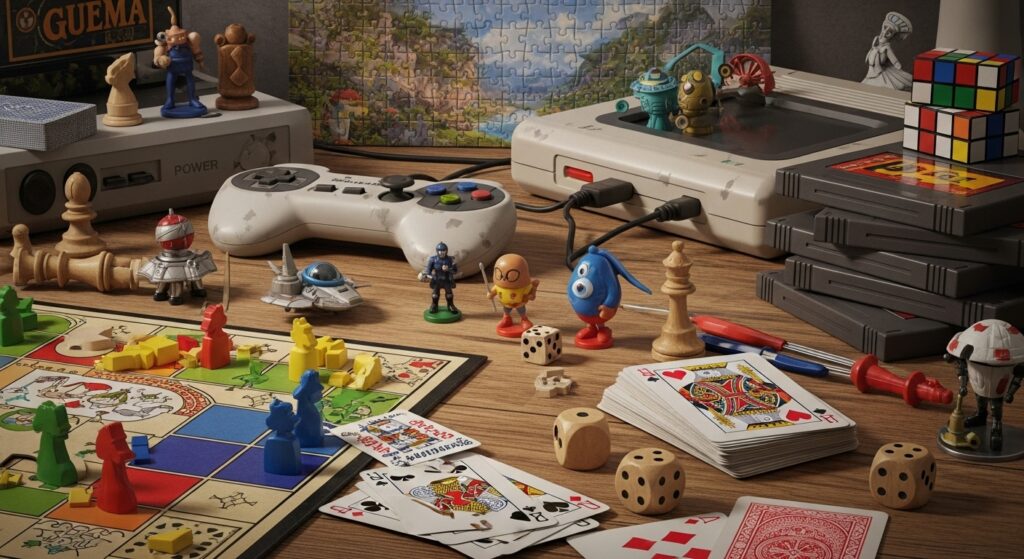
Games have been a cornerstone of human culture for centuries, offering entertainment, education, and a means of socialization. Whether it’s a classic board game like chess, a competitive video game like Fortnite, or a simple game of tag, playing games is an activity that transcends age, culture, and geography. In this blog post, we’ll explore the history, evolution, and enduring appeal of games, and how they continue to shape our lives today. From traditional games that have stood the test of time to modern interactive experiences, the world of gaming is diverse, dynamic, and always evolving.
The Evolution of Games: From Ancient Times to Modern Day
Games have existed in various forms for thousands of years. Ancient civilizations enjoyed games as a way to pass the time, sharpen their minds, and even settle disputes. Some of the earliest recorded games include dice games, board games, and physical contests. The ancient Egyptians played games like Senet and Mehen, while the Greeks invented Olympic sports that are still practiced today.
In the Middle Ages, games began to take on new forms, especially among the elite. The game of chess, believed to have originated in India around the 6th century, became a symbol of strategy and intelligence in medieval Europe. The rise of chess as a competitive activity, particularly among royalty and nobility, laid the foundation for modern competitive gaming.
The industrial revolution in the 19th century marked another significant moment in the history of games. With the advent of mass production, games became more accessible to the public. The creation of board games like Monopoly in the early 20th century and card games like Poker and Bridge further popularized games as a pastime.
As technology advanced, the 20th century saw the rise of video games, forever changing the landscape of gaming. From the earliest arcade games like Pong and Space Invaders to the explosion of home consoles with systems like the Atari 2600, Nintendo Entertainment System, and PlayStation, video games became a multi-billion-dollar industry.
The Different Types of Games: A Universe of Play
Games come in all shapes and sizes, offering something for everyone. They can be divided into several categories based on their format, objectives, and rules. Here are some of the most popular types of games:
- Board Games
Board games have long been a staple of family and social gatherings. These games involve a board, pieces, cards, and dice, with players following specific rules to achieve a goal. Games like Scrabble, Settlers of Catan, Risk, and Monopoly have entertained generations and are still favorites in households worldwide. Board games encourage social interaction, strategy, and sometimes a bit of luck. - Card Games
Card games, such as Poker, Solitaire, and Bridge, have been around for centuries and offer a range of experiences, from casual games to competitive tournaments. While many card games rely heavily on strategy, others depend on chance, making them accessible to players of all skill levels. Over time, digital card games have also gained popularity, with online platforms offering everything from classic games to newer, innovative options. - Video Games
The rise of video games revolutionized the way we play. Whether it’s a single-player adventure, a competitive multiplayer match, or a role-playing game (RPG) that spans hours or even days, video games offer immersive experiences that can transport players to new worlds. Popular genres of video games include:- Action/Adventure: Games like The Legend of Zelda, Uncharted, and Tomb Raider offer exciting, story-driven gameplay where players take on the role of a hero.
- First-Person Shooters (FPS): Titles like Call of Duty and Halo allow players to experience combat from a first-person perspective, with an emphasis on skill, reflexes, and strategy.
- Role-Playing Games (RPGs): In games like Skyrim, The Witcher, and Final Fantasy, players assume the role of characters in richly detailed worlds, completing quests and leveling up their abilities.
- Sports Games: FIFA, NBA 2K, and Madden NFL bring the thrill of sports to your console or PC, allowing players to take control of their favorite teams or athletes.
- Mobile Games
In recent years, mobile games have become an incredibly popular form of entertainment. Smartphones and tablets have given rise to a new generation of gamers who can play anywhere, anytime. From simple puzzle games like Candy Crush to complex strategy games like Clash of Clans, mobile games provide entertainment at the touch of a button. The appeal of mobile games lies in their accessibility and ease of use. - Tabletop Role-Playing Games (TTRPGs)
Dungeons & Dragons (D&D) is perhaps the most famous tabletop role-playing game, but there are many others, including Pathfinder and GURPS. TTRPGs involve players taking on the roles of characters within a shared narrative, guided by a Dungeon Master (DM) who describes the world and its events. These games often involve dice rolls and imagination, making them highly interactive and creative. D&D has experienced a resurgence in recent years, with many people playing it through platforms like Twitch and YouTube. - Esports and Competitive Gaming
Esports, or electronic sports, has evolved into a global phenomenon, with professional gamers competing in tournaments for massive prizes. Games like League of Legends, Dota 2, and Fortnite have established large competitive scenes with millions of fans tuning in to watch their favorite players and teams. Esports has bridged the gap between gaming and sports, with players training for years to hone their skills, and fans cheering on their favorite teams much like they would for traditional sports teams.
Why Do People Play Games?
The appeal of games lies in their ability to offer something that is both fun and rewarding. Here are some reasons why people continue to play games, regardless of age or background:
- Escapism
One of the main reasons people play games is to escape from reality. Whether it’s playing a video game to immerse yourself in an epic fantasy world or enjoying a board game with friends, games provide a temporary break from the stresses of everyday life. They offer a way to experience new adventures, solve problems, and take on new challenges in a safe, controlled environment. - Social Interaction
Games bring people together, whether it’s sitting down with family to play Monopoly, joining a group of friends for a round of cards, or teaming up with online players in a multiplayer video game. Games create opportunities for socialization, cooperation, and friendly competition, making them a powerful tool for building and strengthening relationships. - Competition
Humans are naturally competitive, and games provide an outlet for that drive. Whether it’s competing for the highest score, achieving a win in a strategy game, or going head-to-head in esports, games offer a way for players to measure their skills and abilities against others. The desire to win, improve, and prove oneself is a significant motivator for many players. - Skill Development
Many games require players to develop specific skills, whether it’s strategic thinking, problem-solving, hand-eye coordination, or teamwork. Games like chess, poker, and even sports video games demand a level of skill that can be honed over time. For this reason, games are not just about entertainment—they can also be educational, enhancing cognitive functions and critical thinking. - Achievement and Reward
Games offer players a sense of achievement, whether it’s leveling up a character, earning in-game rewards, or completing a particularly challenging mission. This sense of progression and accomplishment is a powerful motivator that keeps players engaged. Many games are designed with achievement systems, where players are rewarded for reaching specific milestones, further incentivizing continued play.
The Future of Gaming: Trends to Watch
The world of gaming is constantly evolving, driven by new technologies and changing player expectations. Here are some key trends shaping the future of gaming:
- Virtual Reality (VR) and Augmented Reality (AR)
Virtual reality and augmented reality are set to revolutionize how we experience games. With VR headsets like the Oculus Rift and PlayStation VR, players can immerse themselves in fully interactive 3D worlds. AR games, like Pokémon Go, blend the real world with digital elements, offering players a more interactive and engaging experience. - Cloud Gaming
Cloud gaming, or game streaming, is changing the way players access and play games. Services like Google Stadia and Xbox Cloud Gaming allow players to stream games directly to their devices without the need for powerful hardware. This makes gaming more accessible and eliminates the need for expensive consoles or PCs. - Artificial Intelligence (AI)
AI is becoming increasingly important in games, both in terms of improving gameplay and creating more dynamic and responsive experiences. AI-powered opponents can adapt to player behavior, making games more challenging and engaging. In addition, AI is being used to create more realistic and immersive virtual worlds. - Mobile Gaming Growth
Mobile gaming will continue to grow as smartphones become even more powerful. With advancements in mobile technology, mobile games are becoming more sophisticated and feature-rich, rivaling their console and PC counterparts. Mobile gaming is expected to remain a dominant force in the gaming industry.
Conclusion: The Enduring Magic of Games
Games are not just an entertainment pastime; they are a vital part of human culture. From ancient board games to the latest virtual reality experiences, games offer a unique combination of fun, challenge, and social interaction. As technology continues to evolve, games will continue to adapt, providing new ways for players to engage, compete, and connect with others. The future of gaming is bright, and one thing is certain: the magic of games will continue to captivate us for generations to come.


