
The Everlasting World of Games: A Journey Through Play, Creativity, and Connection
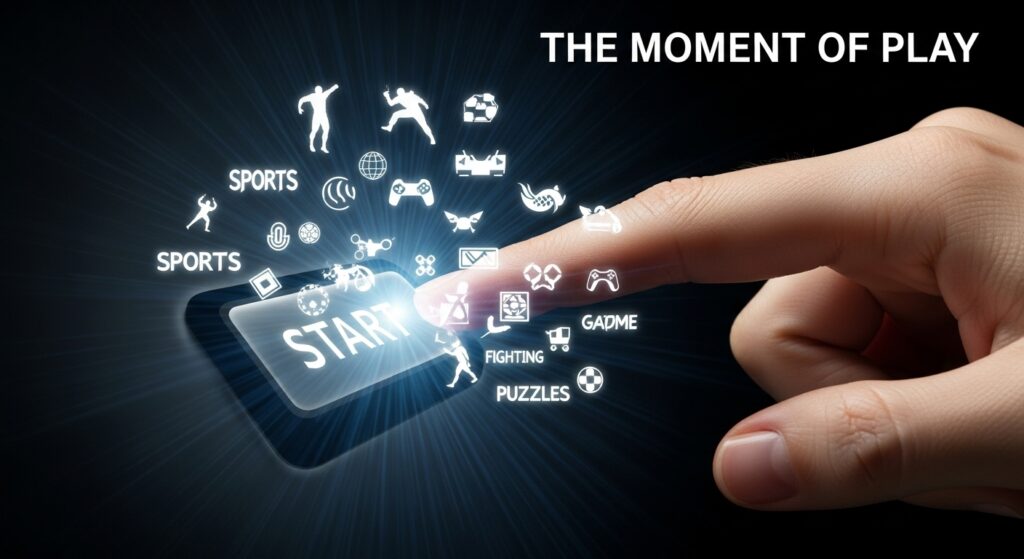
Games have been an essential part of human culture for thousands of years. From the earliest board games carved into ancient stones to the immersive digital worlds of today, games have evolved into a form of entertainment, art, competition, and even education. They are not just pastimes but reflections of human imagination and innovation. Whether played for fun, to test skills, or to connect with others, games occupy a unique space in our lives.
The Ancient Origins of Games
Long before consoles and computers, games were already part of society. Archaeologists have discovered game boards in ancient Egypt, Mesopotamia, and China that date back thousands of years. The Royal Game of Ur, for instance, was played more than 4,000 years ago. Similarly, Senet from Egypt is one of the oldest known board games, and it had spiritual significance as well as entertainment value.
These early games show that play was not just for children; it was a communal activity that brought people together. They taught strategy, patience, and sometimes even reflected a belief in fate or divine influence. As civilizations grew, games became a way to mirror warfare, politics, and daily life.
The Medieval and Traditional Era of Games
As societies advanced, so did their games. In medieval Europe, games like chess and backgammon became immensely popular. Chess, in particular, was admired for its strategic depth and intellectual challenge. It symbolized the hierarchy of medieval society, with kings, queens, knights, and pawns representing the structure of feudalism.
In Asia, games such as Go in China and Shogi in Japan thrived. Go, with its simple rules but infinite depth, was often associated with wisdom and discipline. Meanwhile, in various parts of the world, card games emerged, becoming both entertainment and gambling tools. Traditional sports like wrestling, horse racing, and archery were also integral to different cultures.
These traditional forms of games laid the foundation for the global gaming culture we know today. They encouraged logical thinking, strategic planning, and social interaction, values that persist in modern gaming.
The Rise of Modern Board Games
The 19th and 20th centuries brought a new era of structured board games designed for families and social gatherings. Monopoly, Scrabble, and Clue became staples of home entertainment. These games were more than just ways to pass time—they taught financial management, language skills, and deduction.
Monopoly, for example, was originally intended as a critique of capitalism, but it became one of the most played games in the world. Scrabble fostered vocabulary development and friendly competition. Meanwhile, war strategy games like Risk introduced complex world domination mechanics that attracted players who loved tactical depth.
Board games also began to reflect cultural trends. Some focused on adventure, exploration, or storytelling, and the emergence of role-playing games like Dungeons & Dragons in the 1970s revolutionized gaming forever.
The Digital Revolution in Gaming
The arrival of computers and video game consoles in the late 20th century changed the world of play entirely. What once required physical boards, cards, or dice could now exist on screens. Games became interactive, visual, and dynamic.
The early arcade games like Pong, Space Invaders, and Pac-Man marked the dawn of electronic entertainment. They were simple by today’s standards but revolutionary for their time. People flocked to arcades, forming communities around these pixelated experiences.
Soon after, home consoles brought the fun indoors. Companies like Nintendo, Sega, and later Sony and Microsoft turned gaming into a multi-billion-dollar industry. Titles like Super Mario Bros., The Legend of Zelda, and Sonic the Hedgehog defined generations. These games combined storytelling, exploration, and challenge in ways that captivated players of all ages.
The Era of 3D Worlds and Online Play
As technology advanced, so did gaming possibilities. The 1990s and early 2000s saw the shift from 2D graphics to immersive 3D environments. This era birthed classics like Tomb Raider, Final Fantasy VII, and The Legend of Zelda: Ocarina of Time—games that not only entertained but told cinematic stories filled with emotion and depth.
The internet then introduced multiplayer gaming on a scale never seen before. Titles like Counter-Strike, World of Warcraft, and later Fortnite and Call of Duty connected millions across continents. Gaming was no longer an isolated hobby—it became a global community. Players could compete, collaborate, and communicate in real-time.
Online gaming also gave rise to esports, where players compete professionally, watched by audiences of millions. What began as friendly competition in living rooms evolved into packed arenas and international tournaments with huge prize pools.
The Artistic and Emotional Side of Games
Beyond competition, games have grown into a legitimate form of art. Developers now craft experiences that rival books and movies in emotional power and storytelling. Games like The Last of Us, Journey, and Red Dead Redemption explore deep human themes such as love, loss, and survival.
Visual design, music, voice acting, and interactive storytelling blend to create unforgettable moments. Unlike passive entertainment, games allow players to shape outcomes, making the emotional investment far stronger. When a character dies or a hard decision must be made, it resonates deeply because the player’s actions are part of the narrative.
Independent game developers have also expanded the artistic boundaries of gaming. Indie titles often experiment with unique mechanics and visual styles. Games like Celeste, Undertale, and Hollow Knight prove that passion and creativity can triumph over massive budgets.
The Social Power of Games
In the modern world, games are more than entertainment—they are powerful social tools. They connect people across boundaries of age, language, and culture. Multiplayer games, co-op adventures, and online platforms bring friends together even when they are miles apart.
During challenging times, such as the global pandemic, games provided a sense of normalcy and connection. Families played online board games, friends met in virtual worlds, and communities thrived in digital spaces. Games like Animal Crossing became sanctuaries of creativity and comfort.
Moreover, games have found a role in education and therapy. Teachers use simulation games to teach history or economics. Therapists use gaming to help individuals build social skills, overcome anxiety, or manage stress. The blend of fun and function has opened new doors for how games influence human development.
The Business and Industry of Games
Today, gaming is one of the largest entertainment industries in the world, surpassing movies and music in global revenue. From console titles to mobile apps, the reach of gaming is vast and varied.
The rise of mobile gaming has made play accessible to almost everyone. Simple yet addictive games like Candy Crush and Clash of Clans introduced millions to gaming. Meanwhile, massive franchises like Grand Theft Auto, Call of Duty, and FIFA continue to dominate the console and PC markets.
Game development has become an intricate process involving teams of artists, writers, programmers, and designers. The budgets of some modern games rival those of Hollywood films. Yet, the indie scene continues to thrive, showing that innovation and creativity remain at the heart of gaming.
The Evolution of Technology and Immersion
Every generation of gaming technology has aimed for one goal: deeper immersion. Graphics have grown more realistic, sound design more intricate, and gameplay more responsive. The introduction of virtual reality and augmented reality has taken this immersion to new heights.
Virtual reality allows players to step into the game world physically, using motion tracking and VR headsets. Games like Beat Saber and Half-Life: Alyx have demonstrated how engaging this medium can be. Augmented reality, on the other hand, merges the real and digital worlds, as seen with games that use GPS or camera integration.
Artificial intelligence also plays a growing role, making game worlds more responsive and lifelike. Non-playable characters can now adapt, learn, and react in complex ways, creating more believable environments.
The Future of Games
The future of gaming promises even more innovation. Cloud gaming services are removing the need for expensive hardware, allowing players to stream high-quality games on any device. As internet speeds improve, this could become the new standard.
Artificial intelligence and procedural generation will continue to shape how worlds are built and stories unfold. Players might soon experience games that evolve uniquely for each individual, with personalized narratives and challenges.
Meanwhile, the boundaries between gaming and reality will continue to blur. Virtual concerts, digital economies, and interactive storytelling experiences are already hinting at the next chapter of gaming culture.
The Cultural Impact of Games
Games are now part of mainstream culture. Characters like Mario, Master Chief, and Lara Croft are global icons. Gaming events, conventions, and festivals draw millions of fans who celebrate their shared passion.
Moreover, games have influenced other art forms. Movies, TV shows, and even fashion borrow heavily from gaming aesthetics. The storytelling techniques used in games are also inspiring writers and filmmakers.
Gaming communities, both online and offline, have become vibrant social ecosystems. They foster friendships, collaborations, and even activism. Many games now address social and environmental themes, using their platforms to promote awareness and change.
The Psychology of Play
At its core, gaming taps into one of humanity’s oldest instincts: play. Play is essential to learning, creativity, and emotional health. Games satisfy our need for challenge, achievement, and exploration. They offer a safe space to experiment, fail, and try again.
Psychologists often describe games as controlled environments for mastery and reward. The sense of accomplishment that comes from leveling up or completing a mission triggers real feelings of satisfaction. This is why games can be both engaging and motivating.
However, balance is important. The immersive nature of gaming can lead to overindulgence. Recognizing healthy boundaries ensures that gaming remains a positive and enriching part of life.
The Universal Language of Games
One of the most beautiful aspects of gaming is its universality. It transcends language barriers and unites people through shared experience. A player in one country can team up with another across the world without speaking the same language. The common understanding of goals, rules, and teamwork bridges gaps that words sometimes cannot.
In this sense, gaming is a global language of creativity, competition, and connection. Whether on a playground, a board, or a digital battlefield, the essence of play remains the same—to enjoy, to grow, and to share moments with others.
Conclusion: Games as the Reflection of Humanity
Games have journeyed from carved stones to digital galaxies, but their spirit has remained constant. They are reflections of who we are—our curiosity, intelligence, and desire to connect. Each generation of games captures the imagination of its time, telling stories, teaching lessons, and inspiring innovation.
As technology continues to advance, games will keep evolving, but their essence will endure. They remind us that play is not merely entertainment—it is an expression of life itself. Whether you are rolling dice, solving puzzles, exploring virtual worlds, or competing in an online arena, you are participating in one of humanity’s oldest and most joyful traditions.
The world of games is vast, vibrant, and endlessly creative. It invites everyone—young or old, casual or competitive—to experience the magic of play. In every move, mission, and match, we find not just fun but a deeper connection to ourselves and the world around us.


